


Finding the right power wheelchair isn’t just about picking a piece of equipment; it’s about choosing your new partner in independence. At Jerry’s Mobility, we know that the transition to a power chair can feel overwhelming. With so many models, features, and technical specs, where do you even start?
This guide breaks down the essentials to help you move from “overwhelmed” to “empowered.”
1. Identify Your Primary “Terrain”
Before looking at brands, look at your life. Where will you spend 80% of your time?
- Indoor Use: You’ll want a tight turning radius and a compact frame to navigate hallways and bathroom doors. Mid-wheel drive chairs are usually best here.
- Outdoor Use: If you’ll be traversing gravel, grass, or uneven sidewalks, you need a chair with robust suspension and larger tires (usually rear-wheel or four-wheel drive).
- The Hybrid: Many modern chairs are designed to handle both, offering a balance of maneuverability and stability.
2. Understand the “Drive Bases”
The “drive” refers to where the motor-powered wheels are located. This changes how the chair feels and moves:
- Front-Wheel Drive: Great for climbing small curbs and obstacles. It has a bit of a “fishtail” feel when turning but is very stable.
- Mid-Wheel Drive: The most intuitive to drive. It turns on its own axis, making it the gold standard for indoor maneuvering.
- Rear-Wheel Drive: The fastest option with the best “straight-line” tracking. Excellent for long-distance outdoor travel.
3. Comfort & Seating (The “Fit”)
You wouldn’t wear shoes that are two sizes too small, and you shouldn’t sit in a chair that doesn’t support you. Consider these three factors:
- Cushioning: Essential for skin integrity and pressure sore prevention.
- Width and Depth: The seat should be wide enough for comfort but narrow enough to fit through standard 32-inch doorways.
- Power Functions: Do you need Power Tilt (to shift weight), Power Recline, or an Elevating Seat to reach high shelves?
4. Transportability: How Will You Get Around?
This is a crucial “make or break” for many buyers.
- Folding/Travel Chairs: Lightweight and fit into most car trunks, but they often have less padding and lower battery range.
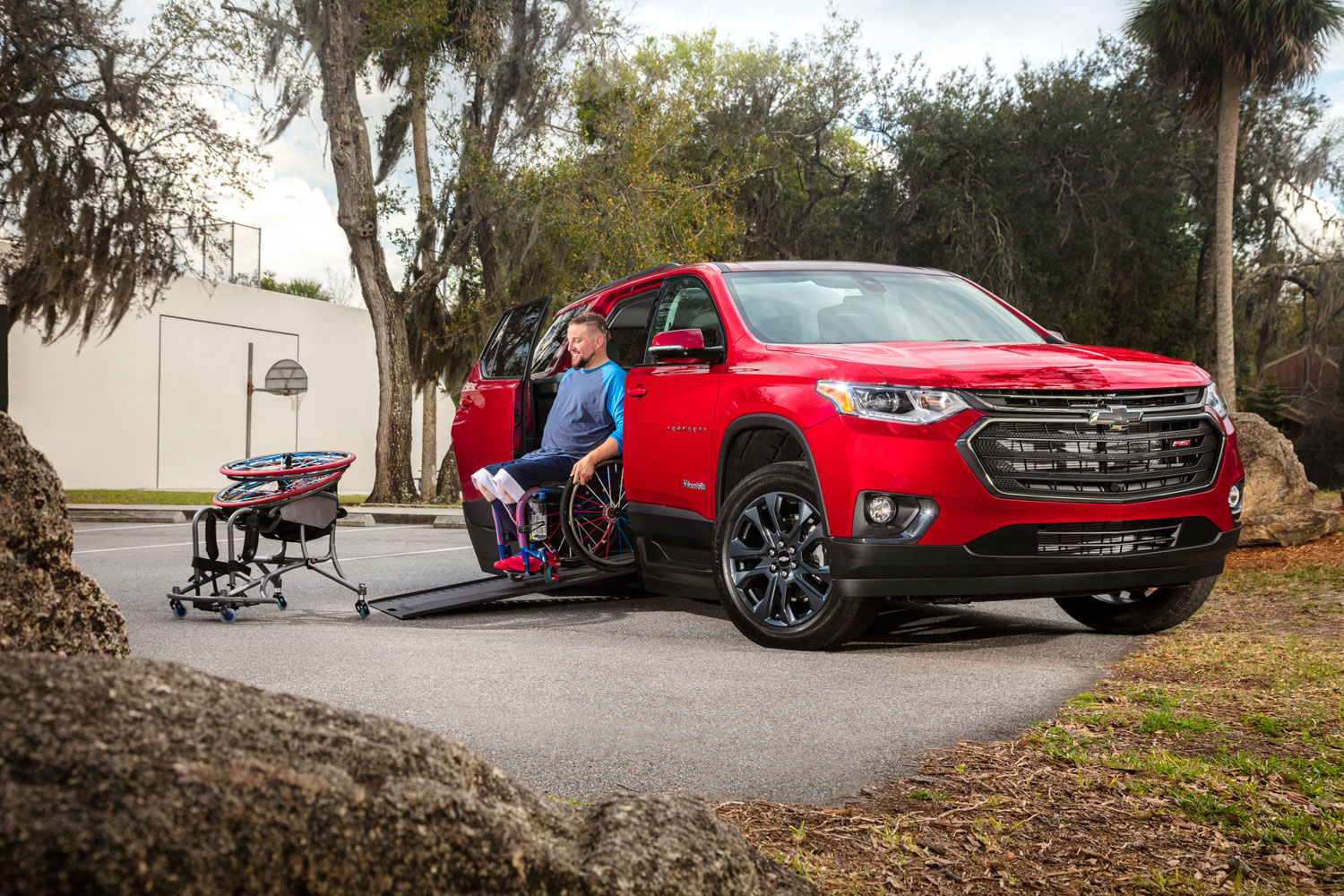
- Full-Size Chairs: These require a dedicated wheelchair-accessible vehicle (WAV) or a heavy-duty hitch lift on your SUV/Van.
5. Battery Life and Range
Think about your “mileage.” If you only go from the bedroom to the kitchen, battery range isn’t a huge concern. If you plan on spending the whole day at a park or a mall, look for chairs with high-amp batteries that offer 15–20 miles of range per charge.
The Jerry’s Mobility Checklist
Before you buy, ask these three questions during your test drive:
- Does this fit through my narrowest door at home?
- Can I easily operate the joystick/controller?
- Is the seating comfortable for more than 10 minutes?
Final Thought: Your first power chair is a tool for freedom. Don’t rush the process! At Jerry’s Mobility, we always recommend a professional fitting to ensure your chair supports your posture and your lifestyle.
Connect with us

