


For many of our clients at Jerry’s Mobility, a wheelchair-accessible vehicle (WAV) is more than just a car—it’s the key to doctor’s appointments, family reunions, and spontaneous weekend road trips. However, because we rely on these vehicles so heavily, it can be easy to overlook the gradual signs that they are no longer doing their job safely or efficiently.
If your “freedom machine” is starting to feel like a source of stress, it might be time to look at an upgrade. Here are the three undeniable signs that your current vehicle is holding you back.
1. The “Mechanical Fatigue” of Your Conversion
A standard minivan is built to last, but a mobility conversion involves structural surgery. Over time, the extra stress on the chassis, the thousands of ramp cycles, and the specialized suspension can take a toll.
Watch for these “Red Flags”:
- The “Groan” of the Ramp: If your electric ramp or lift is moving slower, making grinding noises, or requiring manual “nudges” to deploy, a failure is likely imminent.
- Suspension Sag: Does the vehicle feel “bottom heavy” or scrape on speed bumps more than it used to? This indicates the reinforced suspension is wearing out.
- Electrical Gremlins: Flickering lights or doors that don’t always latch are often signs that the conversion’s wiring is reaching its limit.
Jerry’s Fact: Most vehicle lifts and ramp systems have an optimal lifespan of 5–10 years. If you’re crossing the decade mark, you’re likely spending more on specialized repairs than the vehicle is worth.
2. Your Mobility Equipment Has “Outgrown” the Van
Technology in the wheelchair world moves fast. If you’ve recently upgraded to a larger power chair, a heavy-duty scooter, or added specialized seating, your old vehicle might literally be a “tight squeeze.”
- Weight Capacity: Older lifts were designed for lighter chairs. If your new power chair is a “heavyweight” model, you might be dangerously close to the lift’s weight limit.
- Headroom & Maneuverability: If you find yourself having to duck your head or perform a 10-point turn just to get into position, the physical strain on your neck and shoulders adds up every single day.
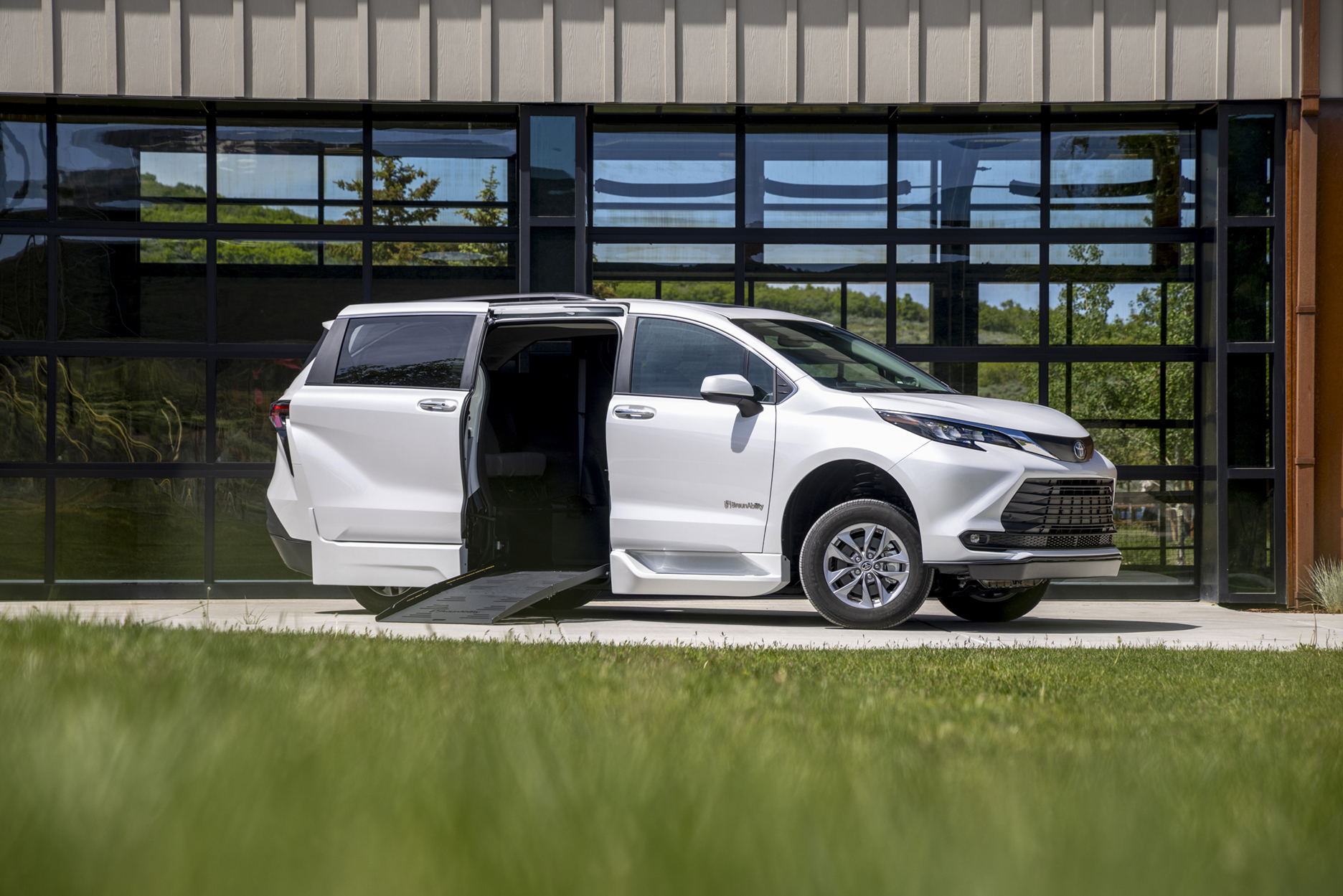
- The Upgrade Benefit: Modern 2025 and 2026 models (like the latest Toyota Sienna or Chrysler Pacifica conversions) offer “super-entry” door heights and extra-wide ramps that make entering as seamless as walking through a front door.
3. Caregiver Strain is Increasing
Mobility is a team effort. If your spouse, child, or caregiver is starting to complain of back pain from helping with manual tie-downs, or if they are struggling to “wrestle” a heavy door closed, the vehicle is no longer serving the whole family.
Modern features that change the game:
- Remote-Start Deploy: Imagine the ramp unfolding and the door opening automatically as you approach the driveway in the rain.
- EZ-Lock Systems: These allow a wheelchair to “click” into place like a seatbelt, eliminating the need for a caregiver to crawl on the floor to hook up manual straps.
- Lowered Floors: Newer conversions offer lower floor heights, which significantly reduces the “steepness” of the ramp, making manual pushing much easier for caregivers.
When “Making Do” Becomes Unsafe
At the end of the day, safety is the only metric that truly matters. If you’ve started saying “no” to outings because you don’t trust the ramp to deploy, or if you’re worried about the wheelchair shifting during a turn, you’ve already lost your independence.
An upgrade isn’t just a new car; it’s the peace of mind that you can get from Point A to Point B without a second thought. View our Inventory Here: https://www.jerrysmobility.com/all-inventory.html
Connect with us

