

Blog

All Wheelchair Accessible Vehicles Jerry's Mobility Service Mobility Vehicles Things to Do in Baltimore Vehicle Inventory Finance Accesibility Nottingham Used Cars
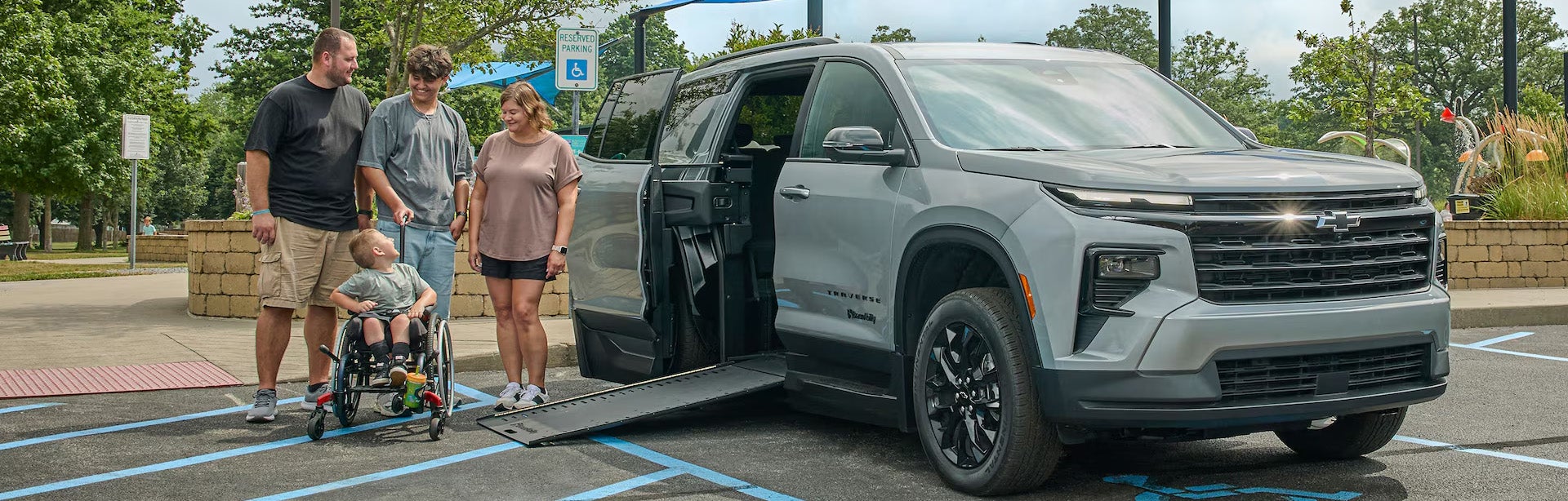
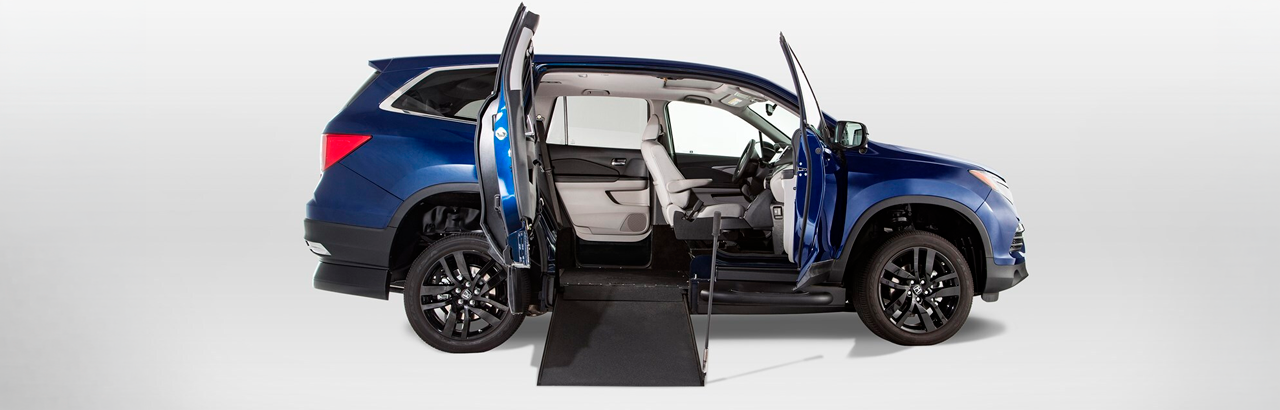
Chevrolet Traverse SUV, a popular platform for mobility accessible conversions
in Wheelchair Accessible Vehicles

What Makes an SUV Mobility Accessible? A Guide for Baltimore, MD Drivers

Navigating daily life around Baltimore, from running errands in Towson to enjoying a weekend drive toward the Inner Harbor, requires a vehicle that fits your lifestyle without compromise. While minivans have traditionally been the go-to choice for adaptive transportation, many local drivers are turning to a mobility accessible suv for its elevated ride height, confident handling in Maryland weather, and classic styling. Understanding how a standard sport utility vehicle is transformed into a dependable adaptive vehicle can help you make an informed choice for yourself or a loved one. Structural Conversions and Entry Systems The foundation of any accessible SUV lies in its structural engineering. Because standard SUVs sit higher off the ground than minivans, specialized converters modify the vehicle frame to create a lowered floor. This added interior height ensures comfortable headroom for wheelchair users whether they are riding as a passenger or driving from the front position. Most accessible SUVs feature side-entry configurations paired with a power infloor ramp. With the press of a key fob button, the wide side door glides open and the ramp deploys smoothly, tucking away beneath the floor when not in use so the cabin remains clutter-free for other passengers. Securement and Adaptive Driving Controls Safety and stability on busy stretches like I-695 or I-83 are essential. Inside a modified SUV, heavy-duty wheelchair securement systems—ranging from manual ratcheting restraints to automated docking stations—keep the wheelchair locked securely in place during transit. Removable front seats also allow a wheelchair user to easily roll into the driver or front passenger seat. For those who plan to get behind the wheel, vehicles can be tailored with personalized adaptive equipment. Common additions include hand controls for acceleration and braking, left-foot accelerators, and steering aids. Before selecting specific driving modifications, the National Highway Traffic Safety Administration (NHTSA) recommends working with a certified driver rehabilitation specialist to evaluate your exact physical needs and practice with new equipment. Everyday Versatility for Maryland Roads Choosing an SUV means you do not have to sacrifice utility for accessibility. Many converted models retain third-row seating for family members, offer generous cargo space for medical supplies or groceries, and maintain strong towing capabilities for weekend getaways. If you are exploring what options exist locally, browsing a selection of wheelchair accessible vehicles can give you a clearer picture of available layouts, while checking out mobility products and lifts helps you compare add-ons like scooter hoists and transfer seats. Finding the right vehicle is a personal journey, and having knowledgeable neighbors in your corner makes all the difference. Whenever you are ready to ask questions or see how different floor plans feel in person, the team at Jerry's Mobility is right here in Baltimore to help you explore your options at your own pace.

Read More
Handicap accessible minivan with power side-entry ramp

Can You Lease a Handicap Van in Baltimore, MD?

Finding reliable, comfortable ways to get around Charm City—whether heading down I-95 for appointments, visiting the Inner Harbor, or running everyday errands in Towson—is essential for maintaining independence. If you are exploring options for accessible transportation, you might wonder whether leasing is a realistic alternative to buying. The short answer is yes, you can lease a modified van right here in the Baltimore area, and for many families, it offers a practical path forward. How Leasing a Mobility Van Works Leasing a converted vehicle operates much like a standard automotive lease, with a few important distinctions tailored to adaptive equipment. Because wheelchair-accessible vehicles combine a factory chassis with specialized modifications—such as lowered floors, power foldout ramps, and securement systems—leasing allows you to enjoy the latest safety technology without committing to long-term ownership. Typical lease terms run around 36 months with annual mileage allowances, commonly starting near 10,000 miles per year. For drivers and caregivers who want predictable monthly expenses and the ability to upgrade as mobility needs evolve over time, leasing removes the worry of long-term depreciation on specialized conversion hardware. Benefits of Leasing vs. Buying in Maryland Deciding between a lease and a traditional purchase comes down to your household budget, driving habits, and long-term plans. Consider how a lease might fit your lifestyle: Lower Upfront and Monthly Costs: Leasing often requires less cash out of pocket compared to traditional handicap van financing, keeping monthly payments manageable while preserving savings. Warranty Peace of Mind: Because most leases span three years, both the base vehicle and the conversion equipment generally remain under comprehensive manufacturer warranty coverage for the duration of your term. Flexibility for Changing Needs: Physical needs and caregiving arrangements can shift. Leasing gives you the option to transition into a different layout, such as moving from a rear-entry to a side-entry ramp, once your term ends. Before choosing any adaptive vehicle, the National Highway Traffic Safety Administration recommends sitting inside the cabin, checking entry and exit clearance, and confirming that the equipment fits your specific wheelchair and daily routine. What to Consider Before You Sign When evaluating mobility vans for lease, think carefully about your annual mileage across central Maryland and whether your wheelchair requires a side-entry or rear-entry configuration. You can browse current wheelchair-accessible vehicle specials and lease offers to see how monthly structures compare, or explore flexible short-term mobility van rentals if you want to test how a converted van handles your driveway and daily routes before making a multi-year commitment. At Jerry's Mobility, our team on East Joppa Road is always glad to walk you through available lease programs, answer questions about ramp styles, and help you find a comfortable fit at your own pace. Whenever you feel ready to explore your options, stop by for a relaxed conversation or reach out to our local specialists to learn more.

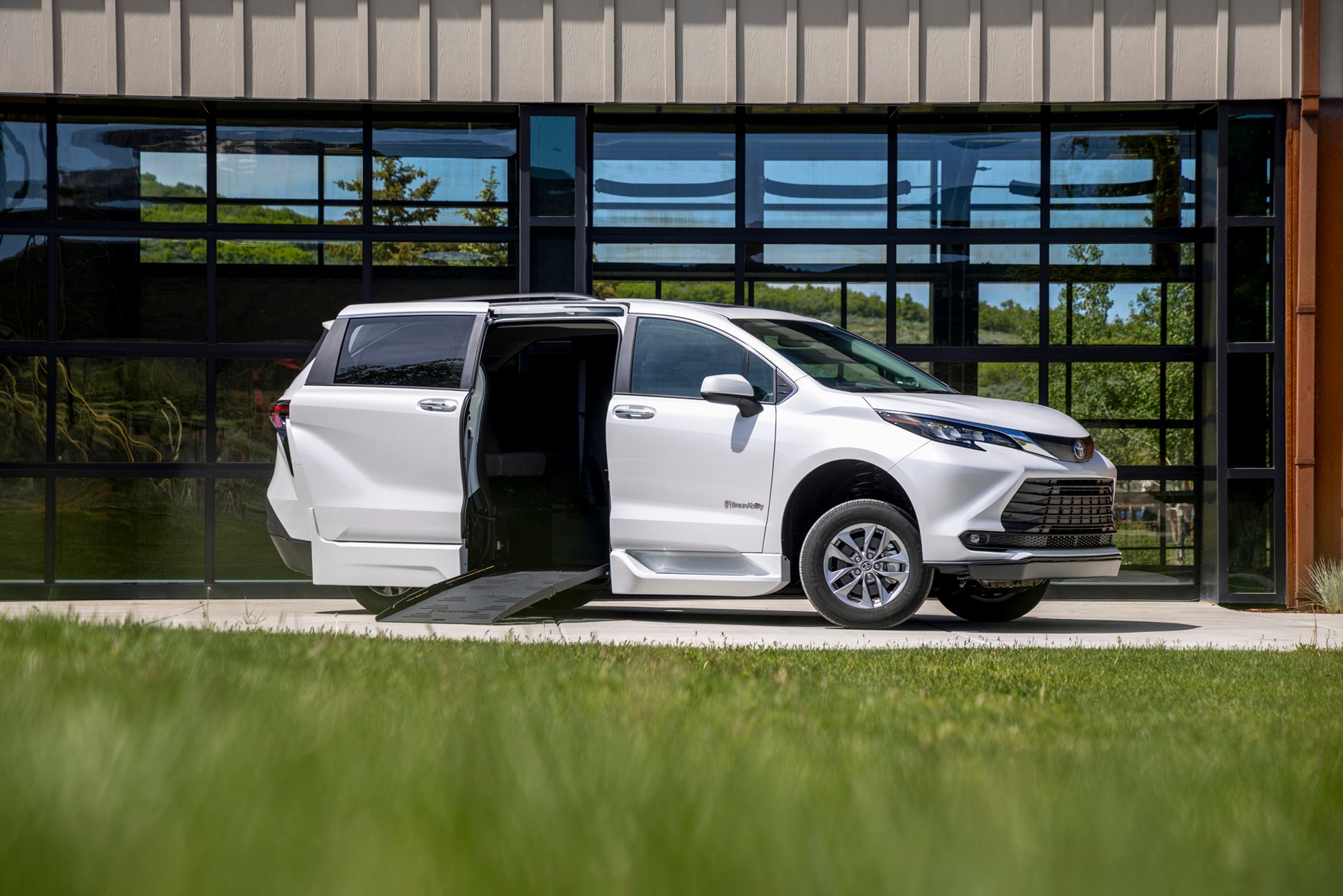
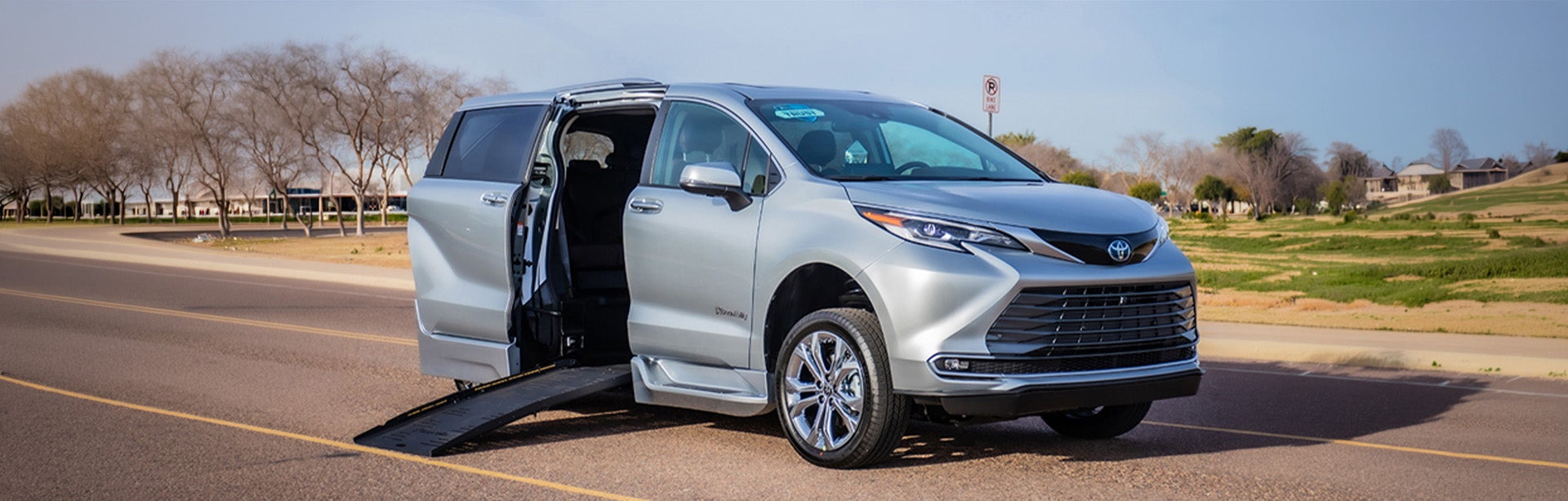
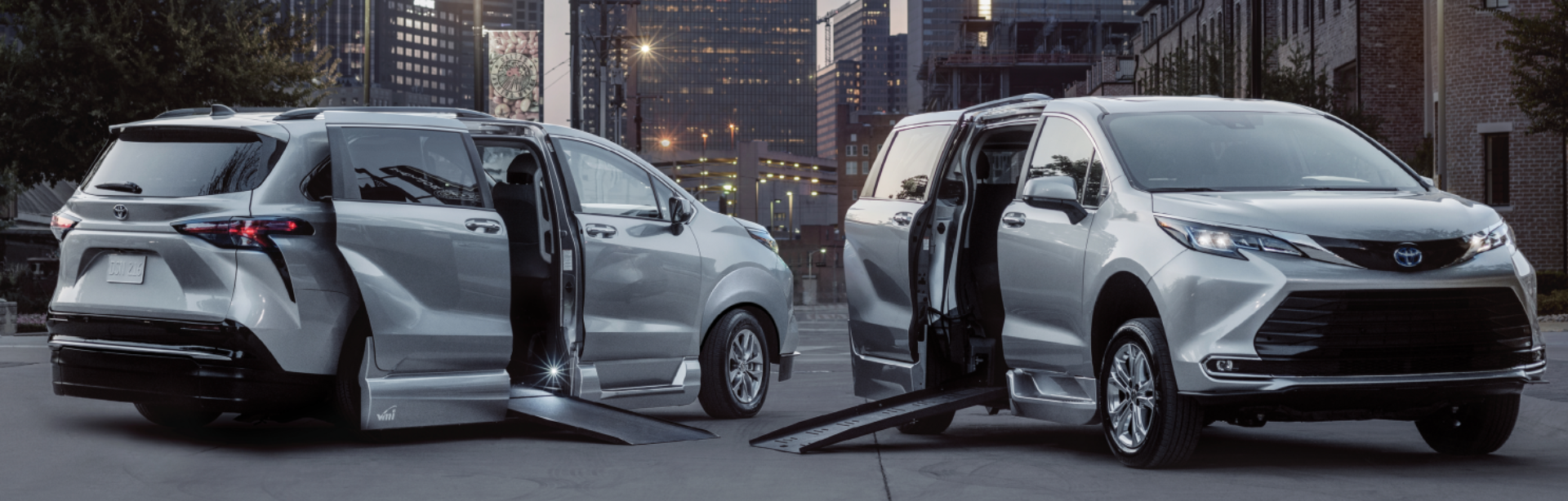
Wheelchair accessible Toyota Sienna with side-entry ramp

Toyota Sienna Wheelchair Accessibility: Features Baltimore Drivers Should Know

Navigating daily life around Baltimore requires a vehicle that fits your routine without adding stress. From navigating tight city blocks in Canton to taking weekend drives along I-83, having reliable transportation makes all the difference. For families and individuals looking into a wheelchair-accessible Toyota Sienna, understanding how factory engineering blends with specialized mobility conversions is a great first step toward finding the right fit. Thoughtful Cabin Design and Entry Options A modern Toyota Sienna mobility van is built around flexibility. Through official collaborations with leading conversion partners like BraunAbility, the Sienna can be adapted with lowered floors that create generous interior headroom. Depending on your daily parking habits and passenger needs, conversions offer both rear-entry and side-entry configurations. Side-entry models use either foldout or in-floor ramps that deploy smoothly from the curb-side sliding door. Inside, removable front seats allow a wheelchair user to ride comfortably in the front passenger position, secure in the center row, or even pull up to the wheel to drive. If you are weighing different cabin layouts, browsing our current wheelchair-accessible inventory can help you visualize how each setup works in practice. Driving Confidence in Maryland Weather Baltimore drivers know how quickly local weather can shift from sunny skies to coastal rain or winter slush. Every new Sienna comes standard with a hybrid powertrain that delivers smooth power and strong fuel efficiency for longer commutes. Available All-Wheel Drive adds extra traction when Maryland roads get slick, while standard Toyota Safety Sense 2.0 features help keep an extra set of eyes on busy beltway traffic. Before finalizing any adaptive setup, safety organizations encourage drivers to plan carefully. Reviewing the NHTSA guide on adapting motor vehicles is a helpful way to learn about working with a driver rehabilitation specialist and maintaining adaptive equipment over time. Adaptive Controls and Financial Support Beyond ramps and tie-downs, a handicap-accessible Toyota Sienna can be outfitted with a wide range of driving aids. Options include hand controls, left-foot accelerators, steering devices, and power swivel seats like the Turny Evo for easier transfers. Additionally, buyers can explore local rebates, incentive programs, and flexible financing options to help make the conversion process more accessible. Finding Your Next Ride in Baltimore Choosing a wheelchair-accessible minivan is a personal decision, and taking time to test different ramp styles and seating positions makes the process much clearer. Whenever you are ready to see these features up close or ask a few questions over coffee, stop by Jerry's Mobility in Baltimore to explore your options at your own pace.
Wheelchair accessible minivan with deployed side-entry ramp

What Makes a Vehicle Wheelchair Accessible? Features, Benefits, and Considerations

Shopping for a new ride can feel overwhelming on its own, and adding mobility needs into the mix brings a whole new set of questions. Whether you are exploring options for yourself or helping a loved one regain independence on the road, understanding how standard cars, vans, and SUVs are transformed can make the journey much clearer. At their core, wheelchair accessible vehicles are thoughtfully engineered to make entering, riding in, and driving a vehicle safe, comfortable, and stress-free. Core Accessibility Features True accessibility goes far beyond simply making room for a mobility device. Professional conversions modify a vehicle’s structure so that everyday travel feels natural. Lowered Floors and Raised Roofs: Most accessible minivans and SUVs feature a lowered floor from the firewall to the rear axle. This creates extra interior headroom and ensures a comfortable line of sight through the windows without requiring the rider to slouch or feel cramped. Ramps and Lifts: Depending on the vehicle style, entry is made possible through a power or manual ramp—which either folds out or slides neatly under the floor—or a hydraulic platform lift. Securement Systems: Safety during transit is paramount. Vehicles are outfitted with heavy-duty tie-down tracks, ratcheting straps, or automated docking stations that lock a wheelchair firmly in place while the vehicle is moving. Adaptive Driving Controls: For wheelchair users who plan to get behind the wheel, removable front seats allow you to roll directly into the driver's position. Additional equipment like hand controls, left-foot accelerators, and steering aids can also be tailored to your specific physical needs. Everyday Benefits for Drivers and Passengers The biggest advantage of a properly adapted vehicle is freedom. Instead of relying on public transit schedules or coordinating rides, you have the flexibility to run errands, visit family around Baltimore, or take spontaneous weekend road trips on your own terms. For caregivers and family members, power-operated ramps and kneeling suspension systems—which gently lower the vehicle toward the curb—reduce physical strain and save valuable time during loading and unloading. Key Considerations Before You Choose Before deciding on a specific setup, it helps to think through your daily routine. Consider whether a side-entry or rear-entry configuration makes more sense for where you typically park. Side-entry models allow wheelchair users to drive or ride up front, though they require an accessible parking space with an adjacent access aisle. Rear-entry designs can fit into standard parking spaces and often retain more original second-row seating. You should also review the NHTSA guide on adapted vehicles to learn about proper evaluations, safety standards, and equipment fittings before making any permanent modifications. Finding Your Ideal Fit Everyone’s mobility journey looks a little different, and taking the time to explore your options in person can answer questions a brochure never could. When you are ready to see how different configurations feel up close, stop by Jerry's Mobility or browse our available mobility inventory online whenever it is convenient for you. Our team is always happy to walk you through the features and help you find a setup that fits your everyday life.

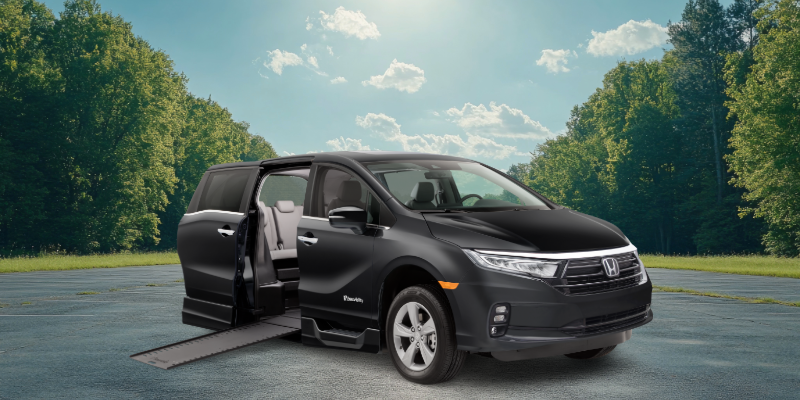
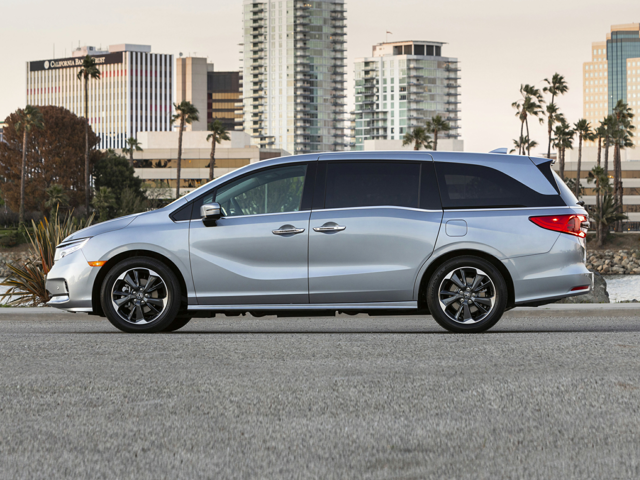
Honda Odyssey wheelchair accessible van with side-entry ramp

Can a Honda Accommodate a Wheelchair? Exploring Accessible Vehicle Options in Baltimore

Finding a vehicle that balances everyday reliability with genuine accessibility is a common goal for drivers and families across the Baltimore area. If you are wondering whether a Honda can accommodate a wheelchair, the short answer is yes. While Honda does not manufacture wheelchair-accessible vans directly on the assembly line, several models in their lineup serve as ideal platforms for professional mobility conversions. The Best Honda Models for Wheelchair Accessibility When shopping for Honda wheelchair accessible vehicles, the Honda Odyssey stands out as the most popular choice. Because of its generous cabin dimensions and thoughtful interior engineering, mobility modifiers frequently convert the Odyssey with lowered floors and automated side-entry or rear-entry ramps. From the factory, the Honda Odyssey offers features that naturally complement adaptive conversions: Power Sliding Doors: Wide door openings make entering and exiting smoother, whether transferring from a chair or using an automated ramp. Flexible Seating: Removable second-row seats and a one-motion 60/40 split third-row Magic Seat that stows into the floor create versatile cabin layouts for passengers and equipment. Available Hands-Free Access Power Tailgate: A simple motion under the rear bumper opens the cargo area, offering convenience when loading compact folding chairs or medical gear. For individuals who can transfer into a standard seat and need a way to stow a manual wheelchair, a Honda SUV like the CR-V or Pilot can also work well when paired with a rear trunk hoist or roof-top carrier. You can browse our current selection of wheelchair-accessible vans and SUVs to see how different cabin layouts compare in person. Understanding Conversion Options and Safety Choosing the right Honda mobility vehicles depends largely on how you plan to travel. Side-entry conversions are great for drivers who want to roll directly into the driver or front passenger position, while rear-entry conversions often provide a practical solution for families who want to park in standard spaces without needing extra room on the side for a ramp. Before committing to a specific setup, it helps to evaluate your daily routine around Baltimore—from navigating downtown parking garages to taking weekend trips along the Inner Harbor. According to the National Highway Traffic Safety Administration guide on adapted vehicles, working with a qualified driver rehabilitation specialist can help ensure any adaptive equipment or wheelchair securement system is properly fitted to your exact physical needs. Navigating Your Next Steps in Baltimore Exploring accessible transportation should never feel overwhelming. Whether you are looking into a fully converted minivan or simply need advice on transfer seats and hand controls, our team is here to answer your questions at your own pace. You can also learn more about flexible mobility financing and grant resources to help plan your budget. Whenever you are ready to take a closer look at how a converted Honda feels on the road, stop by Jerry's Mobility in Baltimore for a relaxed, pressure-free conversation and test drive.

Chevrolet Wheelchair

Evaluating a Chevrolet Wheelchair Van in Baltimore: SUV Style Meets Accessibility

Choosing an accessible vehicle no longer means giving up on personal style. For years, families and drivers searching for accessible transport were limited almost entirely to traditional minivans. While functional, many drivers prefer the bold look, higher driving position, and modern feel of a crossover or SUV. Thankfully, automotive adaptive technology has evolved significantly. Modern conversions, such as side-entry wheelchair accessible Chevrolet Traverse models, combine sleek SUV styling with full accessibility. Why Consider a Chevrolet Wheelchair Conversion? Chevrolet vehicles, particularly midsize options like the Traverse, offer a strong balance of interior cabin space and smooth road performance. When converted by leading mobility manufacturers, these vehicles maintain their original exterior body lines while incorporating lowered floors, power ramps, and flexible seating layouts. Key advantages to evaluate include: Subtle Exterior Profile: From the outside, an accessible Chevy Traverse maintains its iconic SUV body style, appealing to drivers who prefer a non-traditional mobility look. Ground Clearance and Handling: Navigating city streets around Baltimore, from historic brick roads to tight parking spaces, requires steady handling and dependable clearance. Flexible Cabins: Removable front passenger or driver seats allow for customizable travel arrangements, whether you plan to drive or ride as a passenger. Key Factors to Evaluate During Your Research When evaluating any mobility vehicle, keeping personal comfort and long-term usage top of mind is essential. You can explore our selection of new wheelchair accessible vehicles to see how different cabin layouts compare. Here are three critical areas to evaluate during your review process: Door Opening Height and Ramp Width: Ensure the entry point provides adequate clearance for the wheelchair user's seated height. Weight Capacities: Check the weight rating for both the entry ramp and the internal tie-down locations to accommodate power chairs comfortably. Safety and Compliance Standard: Verify that adaptive equipment meets federal safety guidelines, such as standard vehicle specifications outlined by the U.S. Department of Transportation. Exploring Mobility Solutions with Jerry’s Mobility Choosing an accessible vehicle is a deeply personal process. Rather than rushing a decision, taking time to try different ramp styles and seating arrangements in person makes all the difference. If you are exploring adaptive transport options in the greater Baltimore area, feel free to browse our wide selection of pre-owned mobility vehicles or stop by our showroom. Our team is always here to answer questions, explain equipment features, and support your journey toward comfortable, independent travel.

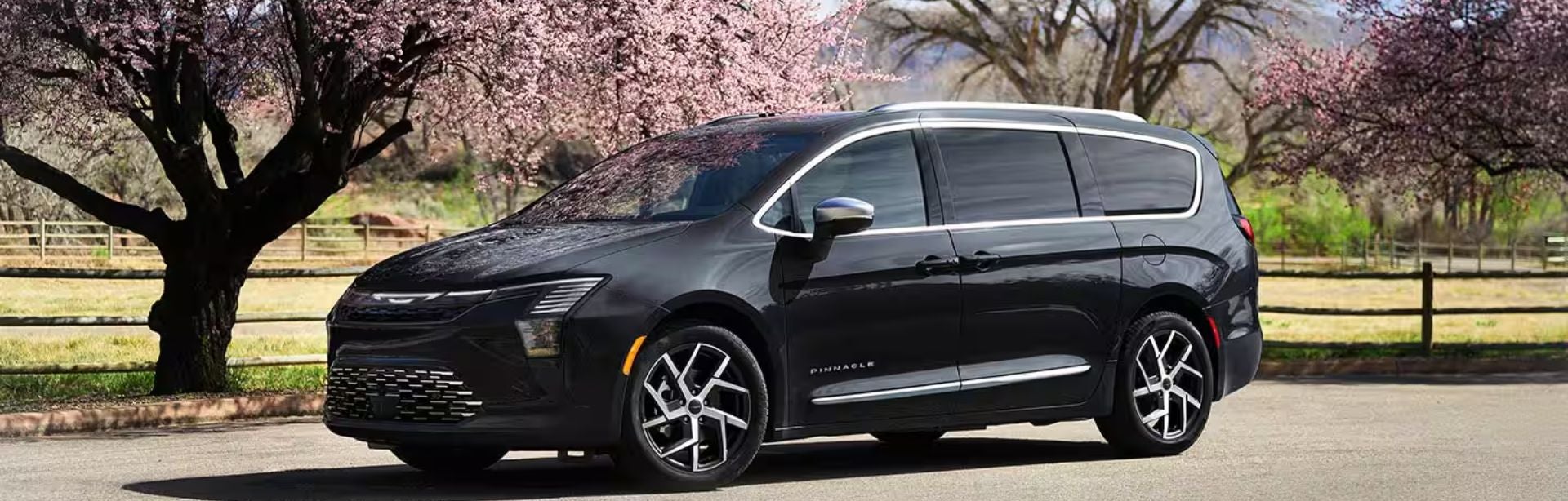
Chrysler Pacifica

Exploring the Free State in Style: Accessible Maryland Day Trips in a Chrysler Wheelchair Van

Maryland offers a wonderful blend of scenic coastlines, historic sites, and vibrant city harbors. Getting out to explore the beauty of the Free State should be a smooth, comfortable experience for everyone. A spacious Chrysler wheelchair accessible van provides the ideal mix of interior room, refined features, and reliable ramp systems to make day trips enjoyable and worry-free. For local residents and visitors looking to explore the region, taking a weekend getaway is a great way to enjoy Maryland's unique sites. Here are a few accessible destinations worth considering for your next outing. Coastal Charm at Annapolis City Dock Annapolis is famous for its maritime history and brick-lined streets, but it also offers welcoming accessibility along the waterfront. The Annapolis City Dock area features smooth, paved walkways that run right alongside the harbor. You can park nearby, deploy your side-entry or rear-entry ramp with ease, and roll along the water to watch the boats or enjoy fresh local seafood. When traveling with adaptive equipment, knowing your vehicle compliance and parking access standards helps ensure peace of mind before you hit the road. Reviewing official guidelines from the U.S. Department of Transportation can help you stay informed about accessible transit and parking practices across the country. Scenic Retreats at Quiet Waters Park Located just a short drive from the state capital, Quiet Waters Park in Anne Arundel County offers over six miles of paved, wide trails that wind through grassy fields and shaded woods. It is an ideal spot for a relaxing picnic or a peaceful nature stroll. Chrysler wheelchair vans offer generous interior headroom and wide doorway entries, making loading up picnic supplies, mobility devices, and family members simple for a day in the park. Waterfront Views at the Baltimore Inner Harbor You do not have to travel far from home to enjoy a classic Maryland day trip. The Baltimore Inner Harbor features flat, paved promenades connecting popular locations like the National Aquarium and historic ships. Having a vehicle equipped with flexible seating layout options allows your family to travel together in total comfort while navigating downtown. Preparing for Your Next Journey A smooth day trip starts with a vehicle that suits your specific lifestyle. Whether you prefer an in-floor ramp system for a clean cabin floor or a fold-out option for varying curb heights, exploring your choices ahead of time makes all the difference. You can browse our current selection of wheelchair accessible vehicles to see how different Chrysler floor plans accommodate various mobility devices. If you are planning a short holiday trip or testing out adaptive travel for the first time, our wheelchair van rentals offer a flexible way to hit the open road. Feel free to visit us or reach out to our team whenever you are ready to talk about your travel plans.

Wheelchair Van

Choosing the Right Handicap Wheelchair Accessible Van in Baltimore: How Ground Clearance Affects City Driving

Navigating the historic streets of Baltimore requires a vehicle that can handle a variety of road conditions. From the cobblestones in Fells Point to uneven pavement along North Avenue, city driving presents unique challenges for every motorist. For drivers and passengers who rely on wheelchair-accessible vehicles, ground clearance becomes one of the most critical factors when selecting the right van. Local families frequently look for vehicles that ensure both comfort and peace of mind during everyday trips across Charm City. Understanding Ground Clearance in Converted Vans Ground clearance refers to the distance between the lowest point of a vehicle's underside and the road surface. When a minivan or SUV undergoes a mobility conversion, the interior floor is lowered to create sufficient headroom and accommodate a ramp system. While this lowered floor makes entering and exiting easier, it naturally reduces the vehicle's clearance underneath. A lower center of gravity improves vehicle stability, but it also means drivers need to stay mindful of steep driveways, speed bumps, and abrupt road transitions. Navigating Baltimore City Road Conditions Urban infrastructure can be tough on any chassis. In Baltimore, pothole season and ongoing street maintenance mean you will frequently encounter uneven surfaces. A vehicle with lower ground clearance may scrape its underside or ramp housing when going over aggressive curb cuts or deep potholes. Choosing a model with optimal ground clearance helps protect the structural integrity of your vehicle and ensures smooth trips to the Inner Harbor or Johns Hopkins. When planning local trips or travel beyond the city, staying informed about broader road safety standards helps you prepare for varying conditions. You can review safety guidelines and accessibility standards outlined by the U.S. Department of Transportation to learn more about national transit accessibility initiatives. Finding the Balance Between Ramp Slope and Clearance Selecting the right wheelchair-accessible van involves balancing ground clearance with ease of entry. A lower vehicle creates a gentler ramp angle, making manual and power wheelchair transfers effortless. Conversely, a slightly higher ride height offers better clearance over rough roads but slightly increases the ramp slope. Exploring our selection of new wheelchair accessible vans can help you compare side-entry and rear-entry conversions to see which design best fits your daily routes. Additionally, if you want flexibility without committing to a full purchase right away, checking our accessible van rental options allows you to test different clearance levels on local roads. Finding Your Ideal City Vehicle Every neighborhood in Baltimore has its own personality and road layout. Taking the time to evaluate how your vehicle interacts with urban terrain ensures long-term comfort and confidence. If you ever have questions about wheelchair van ground clearance or want to experience how different conversions handle local streets, feel free to visit our team at Jerry's Mobility for guidance tailored to your mobility needs.

Wheelchair Van

What to Look for in Wheelchair Van Listings: Fold-Out vs. In-Floor Ramps for Mid-Atlantic Weather

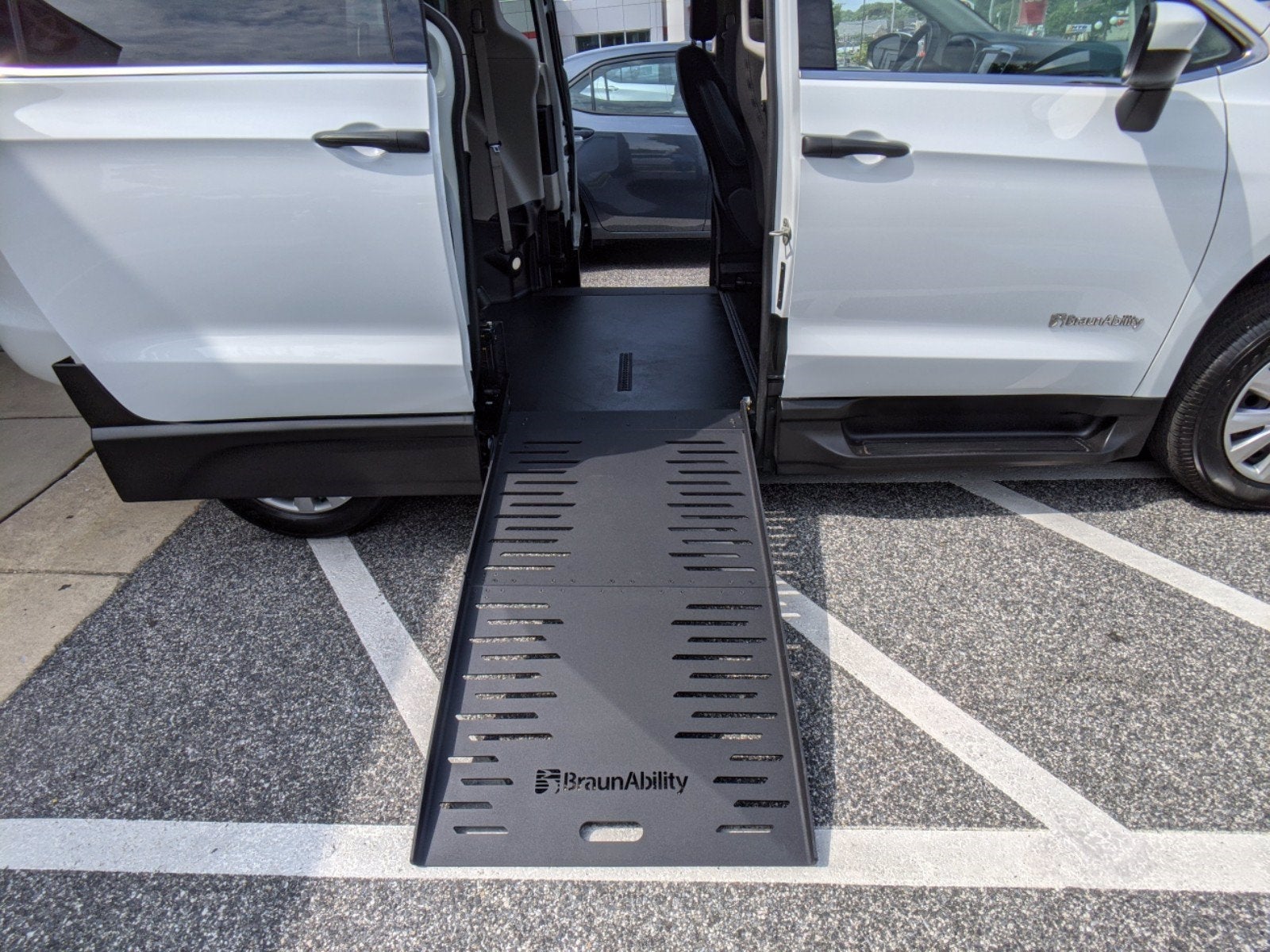
Shopping for an accessible vehicle is a major milestone, whether you are buying your first conversion van or upgrading a current ride. As you scroll through wheelchair van listings around Baltimore and the broader Mid-Atlantic area, you will quickly notice two main types of ramp configurations: fold-out ramps and in-floor ramps. While both options provide excellent mobility solutions, living in Maryland means dealing with everything from humid summers and autumn leaf clutter to sudden winter sleet. Choosing the right style for our local climate and your daily routine makes a big difference in long-term comfort and convenience. Understanding Fold-Out Ramps Fold-Out ramps rest vertically against the interior side door when stowed. When deployed, the ramp unfolds outward onto the pavement or curb. Because the ramp mechanism sits inside the passenger cabin, it stays completely protected from road debris, slush, and salt during cold Baltimore winters. Drivers who frequently travel through messy weather often appreciate this setup, as snow and mud off the tires will not easily clog the mechanical tracks. Fold-out designs also tend to offer higher entry angles, which helps when parking next to raised curbs in urban neighborhoods. The main trade-off is interior space. Since the folded ramp sits inside the doorframe, it slightly reduces entry width and can block sightlines out the passenger side window when folded away. Understanding In-Floor Ramps In-floor ramps slide quietly into a hidden pocket beneath the vehicle floor when retracted. This design leaves the doorway completely clear, making entry and exit seamless for non-wheelchair passengers and giving the interior a clean, OEM-like feel. For Mid-Atlantic drivers, an in-floor ramp offers the distinct advantage of keeping interior floor space wide open, allowing full recline or cargo storage without interference. However, because the ramp tray is housed underneath the vehicle, regular cleaning is helpful to keep ice, salt, and wet leaves from building up in the tracks. When evaluating accessible vehicles, safety and proper conversion standards should always come first. The U.S. Department of Transportation provides helpful guidelines on vehicle safety and accessibility standards to keep in mind while browsing listings. Matching the Ramp to Your Daily Routine Deciding between the two comes down to your personal priorities and where you park most often: Choose a fold-out ramp if you want simple, low-maintenance reliability during harsh winter months and do not mind a slightly narrower doorway. Choose an in-floor ramp if you value maximum cabin room, clear sightlines, and effortless entry for ambulatory family members. To explore options that match your lifestyle, take a look at our wheelchair vans for sale to see available layouts, or reach out to learn more about our custom wheelchair van conversions. If you have questions about which ramp style fits your driveway, garage, or daily route around town, our team at Jerry's Mobility is always here to share practical advice and walk you through the options.

Explore how wheelchair accessible SUVs offer the perfect blend of space, safety, and flexible seating for Baltimore families seeking daily comfort and mobility.

The Family Guide to Wheelchair Accessible SUVs: Space, Safety, and Seating Flexibility

Finding the right vehicle for a family with mobility needs can feel overwhelming. For years, minivans were considered the primary option for wheelchair accessibility. While minivans offer excellent room, many modern families prefer the styling, ground clearance, and versatile handling of a sport utility vehicle. Fortunately, mobility engineering has evolved, making modern wheelchair accessible SUVs a practical and popular choice for driving around Baltimore and beyond. Prioritizing Interior Space and Entry When evaluating a wheelchair accessible SUV, spaciousness involves more than just total cargo volume. You need to consider ramp width, doorway clearance height, and interior maneuverability. Side-entry conversions allow a wheelchair user to sit comfortably in the second row or even in the front passenger position, while rear-entry options offer an alternative entry path that works well in standard parking spots. Beyond accommodating the wheelchair itself, your vehicle must handle everyday life. Whether you are loading grocery bags, athletic gear, or luggage for a trip along the Chesapeake Bay, ensuring adequate floor room and head clearance makes every commute smoother. Safety Standards and Securement Safety remains the highest priority for any family vehicle. Converted SUVs undergo rigorous crash testing to meet or exceed federal motor vehicle safety standards. The mobility conversion process reinforces the chassis and integrates specialized tie-down systems or automatic docking stations to keep passengers secure while on the road. To review official consumer vehicle modification guidelines and safety standards, you can visit the U.S. Department of Transportation NHTSA Adaptive Equipment Guide. Learning about certified securement systems helps ensure your family travels with total peace of mind. Seating Flexibility for Every Family Member One of the greatest benefits of an accessible SUV is its seating adaptability. Flexible seating configurations allow families to adjust layouts based on who is traveling. Removable front or middle-row seats make it simple to switch between transporting a wheelchair passenger and accommodating additional family members or friends. If you are exploring different layout options, taking time to learn about our wheelchair accessible SUV inventory will give you a better sense of how floor plans vary by model. Exploring these variations helps clarify how specific floor plans align with your family's routine. Finding the Best Fit for Your Daily Routine Every family’s mobility journey is unique. Selecting the right vehicle depends on the wheelchair dimensions, the user's height while seated, and how your household plans to use the vehicle daily. If you have questions about dimensions, conversions, or seating layouts, our team at Jerry's Mobility is always happy to share guidance and answer your questions. We invite you to schedule a friendly conversation or visit our showroom to explore options at your own pace.

Before You Buy a Toyota Wheelchair Van: Everything You Need to Know

Before You Buy a Toyota Wheelchair Van: Everything You Need to Know

Choosing the right wheelchair-accessible vehicle (WAV) is one of the most important investments you can make for your independence and peace of mind. At Jerry’s Mobility, we know that no single option fits every family or driver. However, the Toyota Sienna converted wheelchair van remains one of the most popular choices on our lot. Is a Toyota wheelchair van the best fit for your lifestyle, budget, and travel needs? Here are the key factors to evaluate before driving one home. Performance and Long-Term Value When investing in a mobility vehicle, long-term reliability and efficiency matter just as much as access features. Exceptional Fuel Economy Modern Toyota Sienna models feature a standard hybrid powertrain that delivers impressive fuel efficiency. According to consumer guidelines from the U.S. Department of Energy's FuelEconomy.gov, hybrid technology significantly reduces fuel consumption during frequent stop-and-go driving. This means fewer trips to the gas station and substantial savings for families managing daily medical appointments or frequent road trips. Retained Resale Equity Toyota vehicles are renowned for holding their value over time. When combined with top-tier conversions like BraunAbility or VMI, a Toyota wheelchair van tends to maintain strong resale equity compared to many competitors. Entry Styles and Access Features Accessibility isn't one-size-fits-all. You’ll need to determine which conversion layout aligns best with your parking habits and seating preferences. Side-Entry vs. Rear-Entry Options Side-Entry Conversions: Ideal for individuals who want to drive directly from their wheelchair or sit in the front passenger position. Side-entry models offer maximum flexibility but require accessible parking spaces with dedicated ramp loading zones. Explore our current selection of side-entry wheelchair vans to see available door heights and floor layouts. Rear-Entry Conversions: Great for caregivers who frequently park in standard spaces or parallel spots. Rear-entry ramps deploy straight out the back, making parking simpler in tight urban spaces. In-Floor vs. Fold-Out Ramps You can choose between an in-floor ramp (which stows neatly out of sight beneath the floorboards) and a fold-out ramp (which rests vertically inside the door trim). In-floor ramps leave the cabin interior wide open for ambulatory passengers, while fold-out ramps provide higher side-rail protection for navigating steep inclines. Find Your Freedom with Jerry’s Mobility A Toyota wheelchair van combines world-class automotive engineering with life-changing accessibility. If you value fuel efficiency, high resale value, and smooth ride quality, it may very well be the ultimate solution for your household. Ready to experience the difference firsthand? Browse our complete lineup of wheelchair accessible vehicles today. Visit the Jerry’s Mobility showroom in Baltimore to schedule a test drive, consult with our mobility specialists, and find the perfect match for your journey.

Chrysler Pacifica

What Makes the Chrysler Pacifica the Go-To Wheelchair-Accessible Vehicle in Baltimore

At Jerry’s Mobility, we know that staying active across Charm City requires a vehicle built for both comfort and urban navigation. Navigating historic neighborhoods, tight parking near the Inner Harbor, and busy corridors requires dependable mobility solutions. That is why the Chrysler Pacifica remains a top recommendation for adaptive transportation across Maryland. Thoughtful Engineering Meets Everyday Accessibility The Chrysler Pacifica stands out for its spacious layout and innovative engineering. Lowered floors and extra-wide door openings give power wheelchair users and mobility device riders plenty of room to maneuver smoothly. Industry-leading conversions—such as BraunAbility fold-out or in-floor ramps—allow quick entry and exit. Whether you choose a driver-side, passenger-side, or rear-entry conversion, the Pacifica easily adapts to your daily routine. Standard tie-down systems and customizable securements give passengers complete peace of mind on every journey. Built for Baltimore Roads and Busy Families Driving through Maryland brings a mix of smooth highways, stop-and-go city traffic, and unpredictable weather. The Pacifica delivers an exceptionally comfortable ride with features like: Advanced Safety Features: Blind-spot monitoring, forward collision warnings, and adaptive cruise control protect your loved ones in heavy traffic. Fuel Efficiency: Hybrid models offer incredible gas mileage, cutting fuel costs on longer trips around the Chesapeake Bay. Modern Interior Comforts: Tri-zone climate control, heated seating, and intuitive touchscreen infotainment keep everyone connected and relaxed. Safety standard guidelines established by the National Highway Traffic Safety Administration ensure converted vehicles maintain structural integrity while keeping adaptive drivers fully protected. Flexible Conversions Tailored to Your Needs No two mobility needs are identical. For independent drivers, removable front seating allows easy transfer directly into the driver’s position. For families, flexible seating configurations preserve room for caregivers, children, and cargo without sacrificing comfort. You can easily check out our current inventory of wheelchair accessible vehicles to find a layout that fits your lifestyle. Experience Freedom with Jerry’s Mobility Finding the perfect accessible van should be clear, simple, and personal. At Jerry’s Mobility, our certified mobility specialists work directly with you to customize floor plans, ramp types, and adaptive hand controls. Ready to regain your independence on the road? Explore our selection of Chrysler Pacifica Wheelchair Vans today, or visit our Baltimore showroom to schedule an in-person demonstration and test drive!

Beyond Transportation: How a Handicap Wheelchair Accessible Van in Baltimore Can Support Greater Independence

Beyond Transportation: How a Handicap Wheelchair Accessible Van in Baltimore Can Support Greater Independence

Living in or around Charm City offers endless opportunities for cultural experiences, dining, and community events. However, for individuals navigating physical disabilities or mobility challenges, getting around can sometimes present significant hurdles. At Jerry’s Mobility, we believe that true freedom begins with reliable movement. Investing in a handicap wheelchair accessible van in Baltimore offers benefits that go far beyond basic transit—it restores personal autonomy and opens doors to a richer, more active lifestyle. Reclaiming Freedom in Your Daily Routine Relying strictly on fixed schedules or rideshare services can limit spontaneous choices. Having access to a personal, adapted vehicle changes everything about daily planning and spontaneous travel: Spontaneous Outings: Head to the Inner Harbor, visit local parks, or meet friends for dinner without scheduling rides hours or days ahead. Effortless Commutes: Simplify your morning route to work, school, or routine appointments without waiting outdoors. Comfort and Safety: Advanced tie-down systems, power ramps, and custom hand controls ensure every trip is smooth and secure. Having personal transportation aligns closely with national standards set by the U.S. Department of Transportation, which emphasizes equitable mobility and accessible transit design as cornerstone elements of community living. Customized Solutions for Every Lifestyle No two individuals have the exact same mobility goals. Whether you need a side-entry ramp, a rear-entry system, or specialized driving controls, selecting the proper setup is essential. At Jerry’s Mobility, we guide you through our comprehensive selection of wheelchair accessible vans for sale to ensure your vehicle matches both your personal routine and physical needs. If you are exploring adaptive driving options or short-term travel solutions, you can also learn more about our versatile handicap van rentals to test different features before making a permanent decision. Experience the Jerry’s Mobility Difference At Jerry’s Mobility, our team is dedicated to empowering individuals across the Baltimore area with reliable, top-tier accessible vehicles and ongoing maintenance support. Ready to transform the way you travel and reclaim your independence? Visit our Baltimore showroom today or call our mobility specialists to schedule a test drive and explore custom conversion options.

Contact Us

Fill out this form below and we'll contact you shortly
*Required Fields