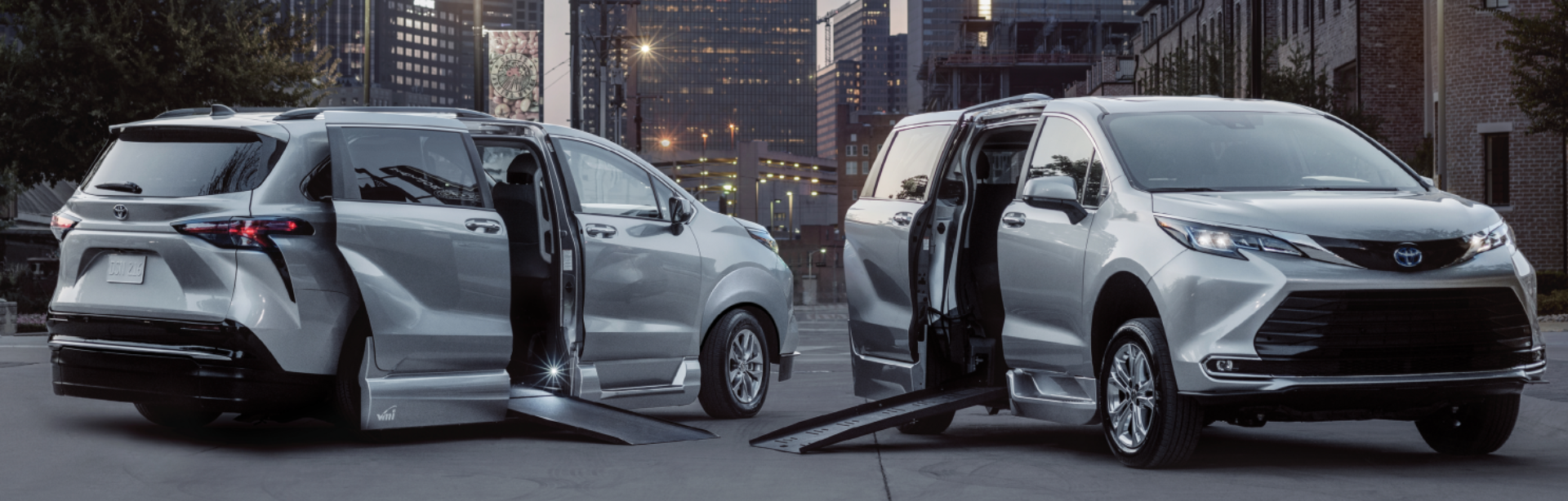



Finding reliable, comfortable ways to get around Charm City—whether heading down I-95 for appointments, visiting the Inner Harbor, or running everyday errands in Towson—is essential for maintaining independence. If you are exploring options for accessible transportation, you might wonder whether leasing is a realistic alternative to buying. The short answer is yes, you can lease a modified van right here in the Baltimore area, and for many families, it offers a practical path forward.
How Leasing a Mobility Van Works
Leasing a converted vehicle operates much like a standard automotive lease, with a few important distinctions tailored to adaptive equipment. Because wheelchair-accessible vehicles combine a factory chassis with specialized modifications—such as lowered floors, power foldout ramps, and securement systems—leasing allows you to enjoy the latest safety technology without committing to long-term ownership.
Typical lease terms run around 36 months with annual mileage allowances, commonly starting near 10,000 miles per year. For drivers and caregivers who want predictable monthly expenses and the ability to upgrade as mobility needs evolve over time, leasing removes the worry of long-term depreciation on specialized conversion hardware.
Benefits of Leasing vs. Buying in Maryland
Deciding between a lease and a traditional purchase comes down to your household budget, driving habits, and long-term plans. Consider how a lease might fit your lifestyle:
- Lower Upfront and Monthly Costs: Leasing often requires less cash out of pocket compared to traditional handicap van financing, keeping monthly payments manageable while preserving savings.
- Warranty Peace of Mind: Because most leases span three years, both the base vehicle and the conversion equipment generally remain under comprehensive manufacturer warranty coverage for the duration of your term.
- Flexibility for Changing Needs: Physical needs and caregiving arrangements can shift. Leasing gives you the option to transition into a different layout, such as moving from a rear-entry to a side-entry ramp, once your term ends.
Before choosing any adaptive vehicle, the National Highway Traffic Safety Administration recommends sitting inside the cabin, checking entry and exit clearance, and confirming that the equipment fits your specific wheelchair and daily routine.
What to Consider Before You Sign
When evaluating mobility vans for lease, think carefully about your annual mileage across central Maryland and whether your wheelchair requires a side-entry or rear-entry configuration. You can browse current wheelchair-accessible vehicle specials and lease offers to see how monthly structures compare, or explore flexible short-term mobility van rentals if you want to test how a converted van handles your driveway and daily routes before making a multi-year commitment.
At Jerry's Mobility, our team on East Joppa Road is always glad to walk you through available lease programs, answer questions about ramp styles, and help you find a comfortable fit at your own pace. Whenever you feel ready to explore your options, stop by for a relaxed conversation or reach out to our local specialists to learn more.