

Blog / Wheelchair Accessible Vehicles

Blog

All Wheelchair Accessible Vehicles Jerry's Mobility Service Mobility Vehicles Things to Do in Baltimore Vehicle Inventory Finance Accesibility Nottingham Used Cars
wheelchair_access_sideway

Side-Entry vs. Rear-Entry Wheelchair Vans: Which Is Right for Baltimore Drivers?

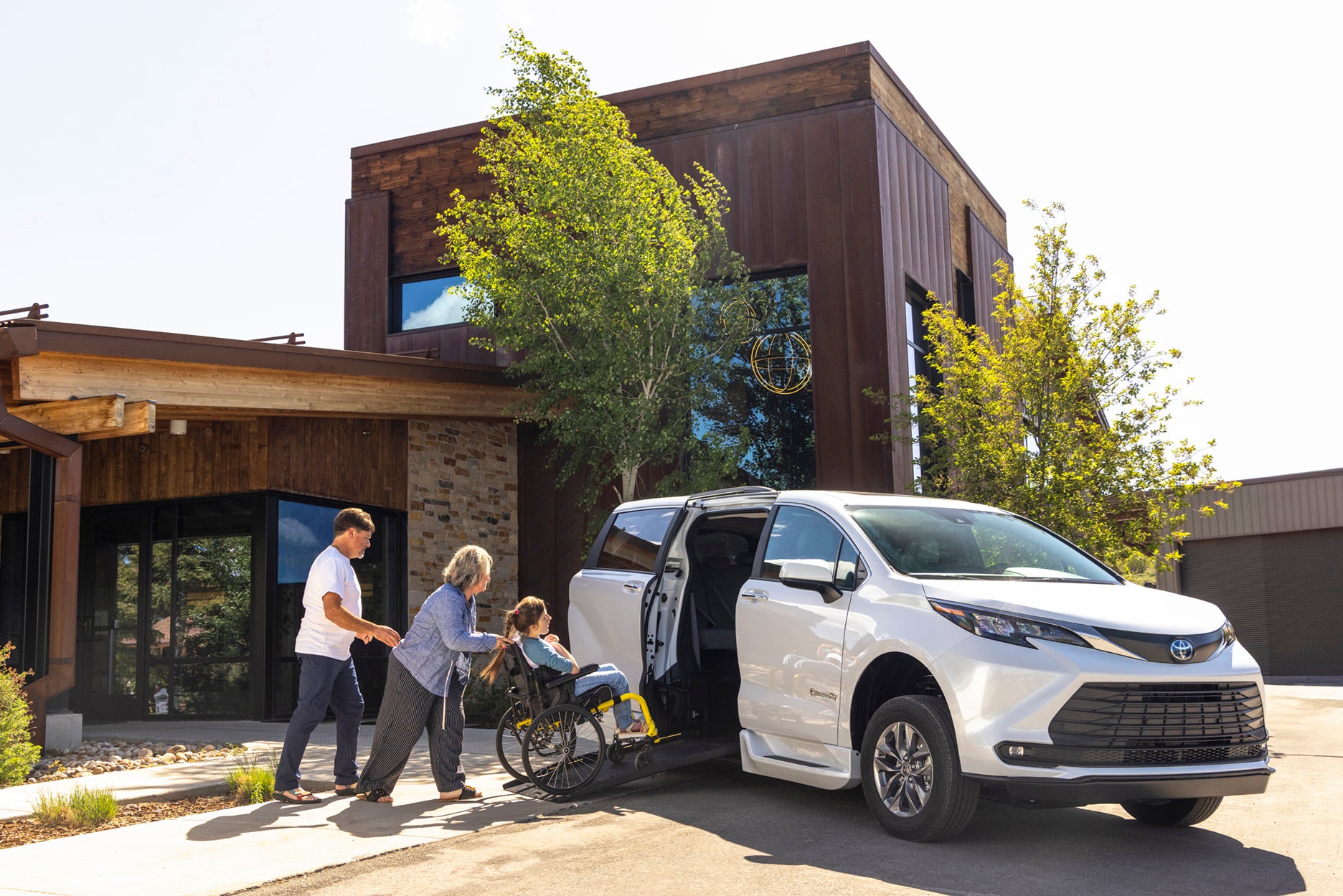
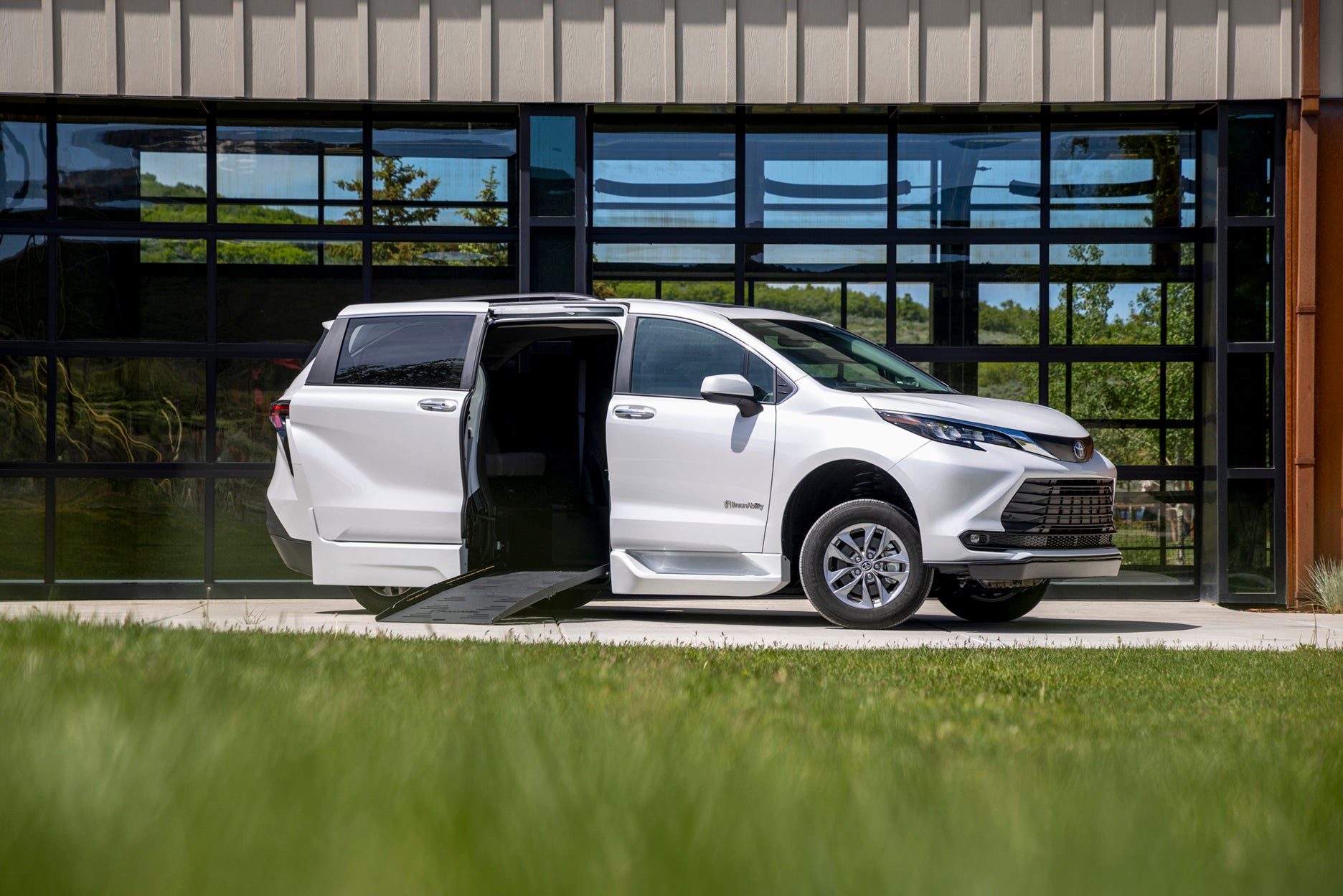
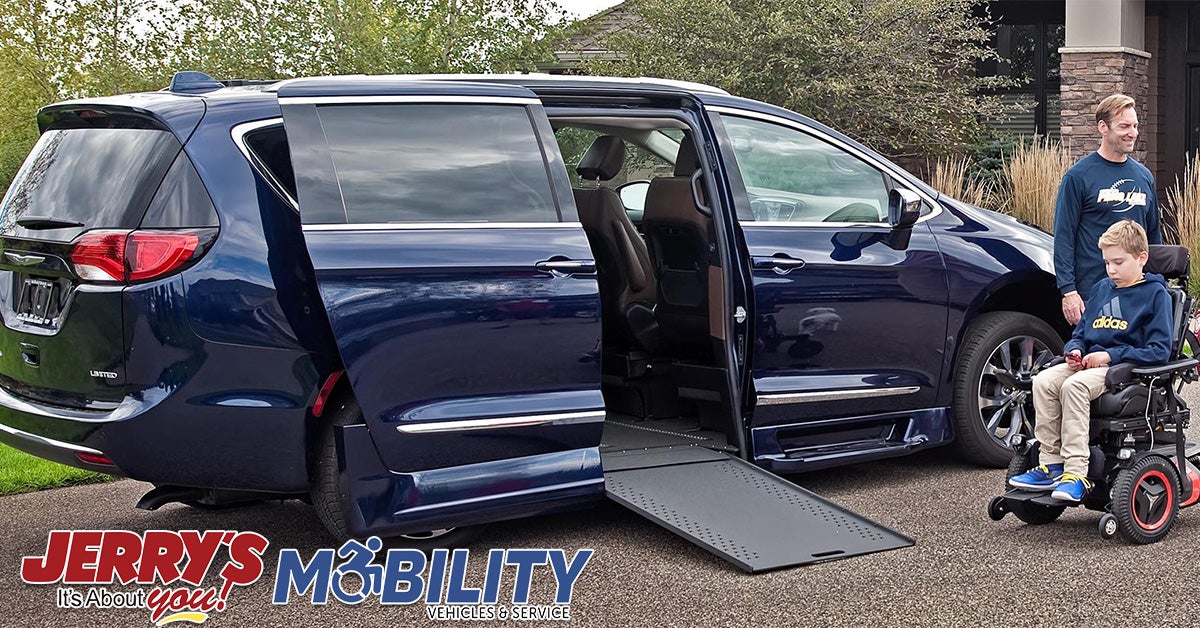
Quick Answer: What Is the Difference Between Side-Entry and Rear-Entry Wheelchair Vans? The primary difference between a side entry wheelchair van Baltimore drivers choose and a rear-entry conversion lies in ramp deployment direction, parking requirements, and seating flexibility. Side-entry vans allow wheelchair users to drive or ride in the front passenger seat but require extra side clearance for ramp extension. Rear-entry vans deploy from the tailgate, fitting into standard parking spaces in nearby Rosedale and Perry Hall as well. Understanding Side-Entry and Rear-Entry Wheelchair Van Conversions Selecting a wheelchair-accessible vehicle is one of the most significant investments an individual, family, or caregiver will make. Beyond choosing the right vehicle make and model, deciding between a side-entry or a rear-entry ramp conversion impacts your daily convenience, parking options, and interior seating arrangements. Both conversion styles offer safe, crash-tested mobility solutions engineered by leaders like BraunAbility. However, urban parking conditions across downtown Baltimore, suburban driveway setups in Rosedale, and garage clearances in Perry Hall require careful evaluation. Matching vehicle ramp mechanics to your physical mobility goals and local driving routine ensures long-term satisfaction. Deep Dive: Side-Entry Wheelchair Vans Side-entry conversions feature a lowered vehicle floor from behind the front bumper back to the rear axle. The access ramp extends outward from the side sliding door on either the passenger or driver side. Key Benefits of Side-Entry Conversions Driver-Position Access: Side-entry minivans offer removable front bucket seats. This setup allows a wheelchair user to roll directly into the driver’s position using specialized hand controls or transfer into the driver seat. Front-Passenger Seating: Wheelchair users who prefer to sit next to the driver in the front row can easily do so in a side-entry van, offering equal sightlines and conversation access. Unobstructed Rear Cargo Space: Because the ramp enters through the side door, the original trunk or rear cargo area behind the third-row seat remains entirely intact for luggage, groceries, and medical supplies. Curbside Loading Safety: On urban streets, side-entry ramps allow passengers to deploy directly onto sidewalks rather than into street traffic. Parking & Space Considerations Requires Side Clearance: Deploying a side-entry ramp requires approximately 4 to 5 feet of open space alongside the vehicle. Drivers must park in designated van-accessible handicap spaces with hashed access aisles to ensure room for loading. Full-Cut Floor Investment: Because side-entry conversions require a full-cut lowered floor and chassis reinforcement, initial conversion costs are higher than standard rear-entry setups. Deep Dive: Rear-Entry Wheelchair Vans Rear-entry conversions lower the floor in the center and rear sections of the vehicle. The ramp unfolds directly from the tailgate, allowing the wheelchair user to enter from behind the vehicle and roll into the mid-cabin position. Key Benefits of Rear-Entry Conversions Standard Parking Space Compatibility: Because the ramp deploys out the back, you do not need open side space to load or unload. You can park in standard parking spots, parallel street spaces, or narrow residential driveways. Lower Purchase and Conversion Cost: Rear-entry modifications require less structural alteration to the mid-section chassis, making pre-owned rear entry wheelchair vans in Baltimore a budget-friendly option for families. Mid-Cabin Family Proximity: Caregivers or family members can sit on second-row passenger seats directly alongside the wheelchair user, providing comfortable interaction during travel. Parking & Space Considerations No Driver-Seat Access: A wheelchair user cannot drive a rear-entry vehicle directly from their chair, as the factory front seats and floor remain completely intact. Rear Traffic Loading: Unloading a rear-entry ramp on busy city streets requires opening the tailgate into traffic lanes unless parked in a driveway or dedicated parking lot. Reduced Trunk Storage: The stowed rear ramp occupies part of the rear trunk bay, reducing deep rear cargo space. Local Baltimore Parking & Driving Scenarios: Comparing Real-World Usability Where you live and park across Greater Baltimore plays a major role in which conversion style performs best. Downtown Baltimore & Rowhouse Streets Navigating urban Baltimore neighborhoods—such as Federal Hill, Fells Point, or Mount Vernon—often means relying on parallel street parking where side access aisles do not exist. A rear-entry van allows a caregiver to roll a passenger in from the back bumper without worrying about adjacent cars parking too close to the side doors. However, if you frequently load at urban curbsides or medical center drop-off zones, a side-entry model keeps the passenger safely on the sidewalk. Suburban Living in Rosedale and Perry Hall In suburban communities across Rosedale and Perry Hall, homeowners frequently utilize double-car garages, wide concrete driveways, and spacious shopping center parking lots. A side-entry vehicle, such as a pre-owned Toyota Sienna Wheelchair Van, excels in these environments, allowing independent drivers to deploy power ramps effortlessly onto wide garage floors or driveway pads. How to Decide Which Ramp Configuration Fits Your Family To determine which conversion style fits your physical needs and daily routine, evaluate these core factors: Will the Wheelchair User Drive? If the person using a wheelchair plans to drive the vehicle independently, a side-entry conversion is required. Where Do You Park Most Often? If your daily routine involves standard parking spaces or tight driveways without side aisles, a rear-entry van provides maximum parking convenience. What Is Your Overall Budget? Buyers seeking lower upfront costs often find rear-entry pre-owned vans fit tight financial parameters while delivering exceptional reliability. Do You Carry Heavy Cargo? Families traveling frequently with sports equipment, luggage, or multiple mobility devices may prefer the open rear trunk space preserved by side-entry vans. Before finalizing any vehicle purchase, consulting adaptive driving guidelines published by the National Highway Traffic Safety Administration (NHTSA) ensures that your chosen vehicle setup complies with essential occupant safety and securement standards. Explore Pre-Owned Mobility Vans at Jerry's Mobility Choosing between a side-entry and a rear-entry wheelchair van comes down to your personal mobility needs, vehicle seating preferences, and home parking environment. At Jerry’s Mobility, our team of mobility specialists conducts hands-on vehicle fittings and ramp demonstrations for families across Baltimore, Rosedale, and Perry Hall. Visit our showroom today to test drive both side-entry and rear-entry conversions and find the ideal wheelchair van Baltimore drivers rely on for long-term independence.
wheelchair SUVs

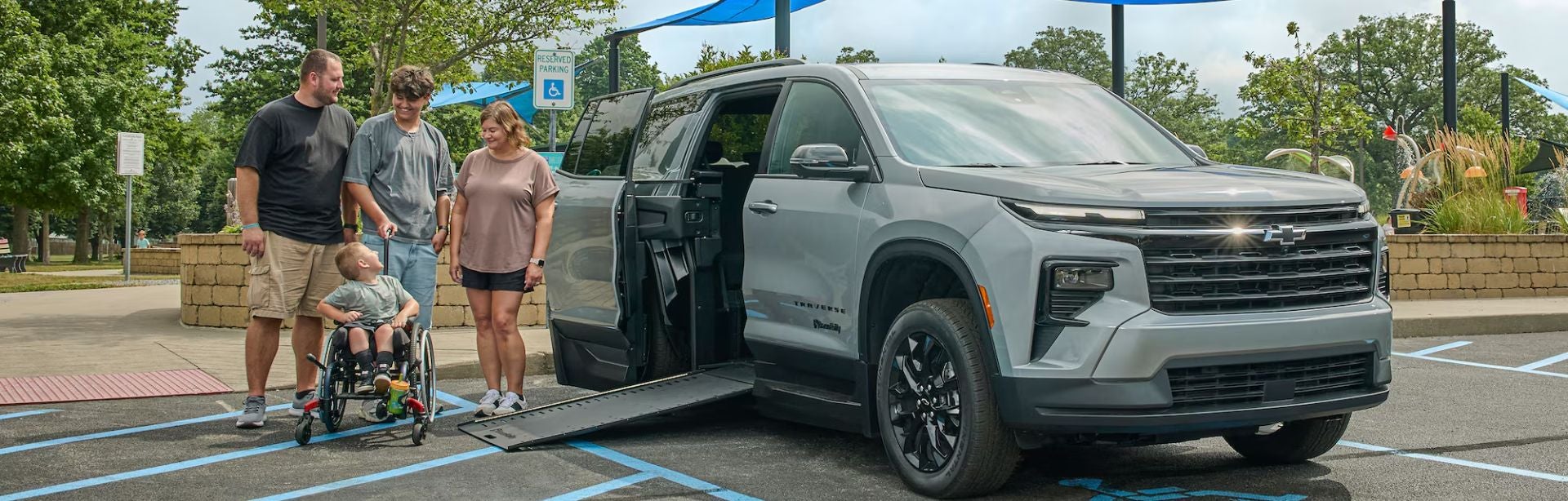
Wheelchair Accessible SUVs vs. Minivans: Is the Chevy Traverse Right for You?

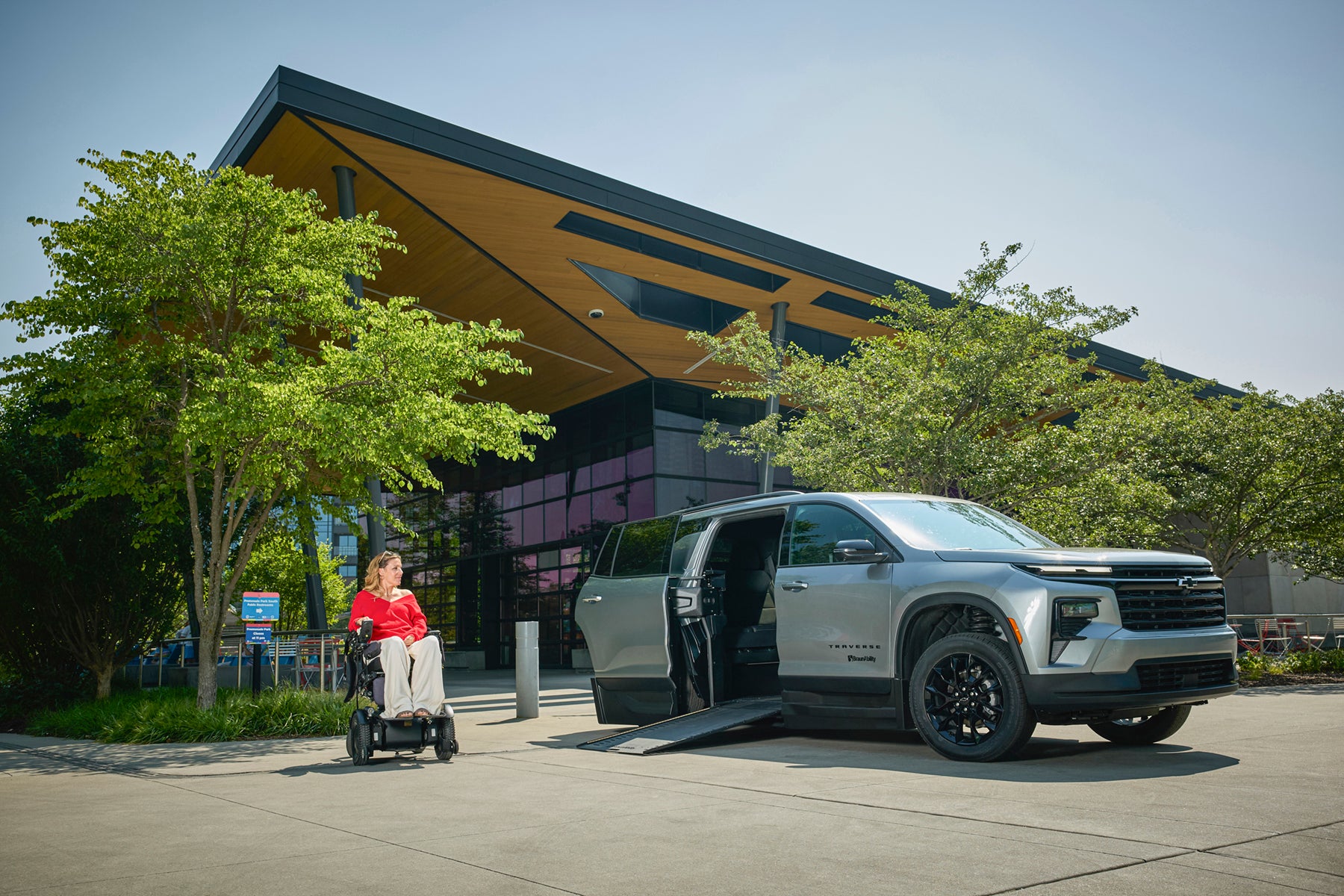
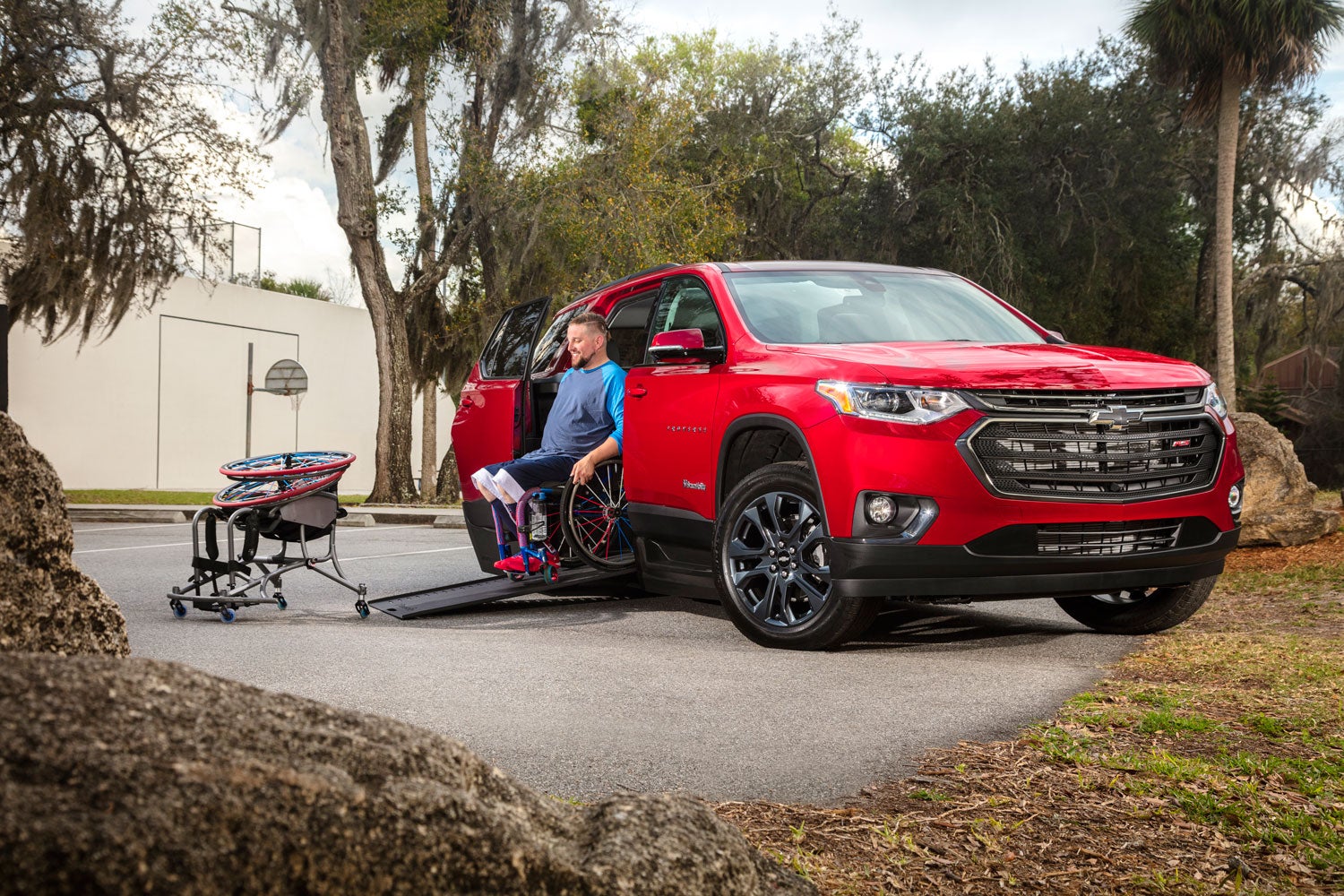
Quick Answer: Is a Wheelchair Accessible Chevy Traverse Better Than a Minivan? Finding a wheelchair accessible Chevy Traverse in Baltimore means enjoying modern crossover styling, higher ground clearance, and a heavy-duty 1,000-lb capacity power in-floor ramp, making it an attractive alternative to traditional minivans. While minivans provide slightly more vertical cabin space for exceptionally tall power chair users, a wheelchair-accessible SUV delivers comparable door opening widths (30.5 inches) and driver-transfer flexibility for buyers. The Shift from Traditional Minivans to Mobility SUVs in Greater Baltimore For decades, minivans were the primary vehicle option for wheelchair users and caregivers requiring lowered floor conversions. While minivans like the Toyota Sienna and Chrysler Pacifica remain popular for their spacious interiors, many drivers prefer the sleek styling, command-of-the-road seating position, and rugged appeal of a crossover SUV. Vehicle modifiers engineered the first mass-produced side-entry SUV conversion on the Chevrolet Traverse platform. For families and independent drivers across Baltimore, MD, Rosedale, MD, and Perry Hall, MD, deciding between a minivan and a wheelchair accessible SUV comes down to balancing aesthetic preference, ground clearance needs, door clearance dimensions, and budget constraints. Key Differences: Wheelchair Accessible SUVs vs. Minivans Understanding how a converted crossover SUV compares to a standard wheelchair-accessible minivan helps narrow down the right choice for your daily commute. 1. Exterior Styling and Aesthetic Appeal Crossover SUV Appeal: The Chevy Traverse retains its aggressive front grille, bold crossover lines, and athletic stance. The lowered-floor modification is integrated beneath body-molded side flares, concealing the conversion elements. Minivan Profile: Minivans feature traditional sliding door designs and longer rooflines, offering a classic family vehicle appearance. 2. Ground Clearance and Mid-Atlantic Weather Performance Crossover SUV Performance: The Chevy Traverse offers higher ground clearance than most lowered-floor minivans. This extra clearance makes navigating steep driveway angles in Perry Hall, snow-drifted suburban streets, or rough road surfaces across Baltimore County easier without scraping chassis undercomponents. Minivan Performance: Lowered-floor minivans ride closer to the road to keep ramp angles gentle. While this provides easy entry, drivers must be mindful of high curbs and steep drainage dips in urban parking lots. 3. Interior Cabin Space and Floor Flexibility Crossover SUV Interior: The BraunAbility Chevy Traverse features a full-cut lowered floor extending from the firewall to the rear seats. Removable front driver and passenger seats enable a wheelchair user to drive directly from their chair or sit in the front passenger position. BLVD.com+ 1 Minivan Interior: Minivans generally feature slightly taller vertical interior dimensions, offering extra headroom for passengers seated in tall power wheelchairs. Technical Features of the BraunAbility Chevrolet Traverse Engineered by BraunAbility, the converted Chevy Traverse delivers industry-leading accessibility specs without sacrificing safety or performance. Detailed technical metrics and engineering safety standards can be reviewed directly through BraunAbility Official Conversion Specifications. Door Opening Usable Width: 30.5 inches, providing one of the widest door frames available in the side-entry mobility segment. BLVD.com Door Opening Usable Height: 54.5 inches at the center of the door frame, accommodating most standard and power wheelchair users comfortably. BLVD.com Ramp Capacity: Industry-leading 1,000-lb weight capacity, designed to easily support heavy power chairs, accessories, and occupants. Power In-Floor Ramp: The 30.5-inch wide ramp stows beneath the vehicle floor when not in use. This keeps the interior doorway unobstructed for ambulatory family members entering and exiting the vehicle. Automatic Kneeling System: An integrated suspension kneeling system lowers the rear vehicle frame upon ramp deployment, reducing the ramp incline angle for effortless loading. Local Driving and Parking Considerations across Greater Baltimore Choosing between an SUV and a minivan also depends on where and how you drive across the Mid-Atlantic region. Navigating Downtown Baltimore Streets Parking in downtown Baltimore often requires parallel street parking or navigating tight garage structures. The power in-floor ramp system on the Chevy Traverse deploys smoothly over sidewalk curbs. Because the ramp stows under the floor rather than folding up inside the door frame, passenger side visibility remains clear through the side windows when changing lanes on I-95 or I-695. Suburban Commuting in Rosedale and Perry Hall For homeowners in Rosedale and Perry Hall with sloped residential driveways or double-car garages, the Traverse's elevated ground clearance reduces chassis bottoming. Its all-wheel-drive (AWD) options provide extra traction during Mid-Atlantic winter storms and rainy seasons. Who Should Choose the Chevy Traverse Wheelchair SUV? Independent Drivers: Wheelchair users who plan to operate the vehicle using hand controls or driving aids benefit from the removable front seats and driver-position floor space. A&J Mobility Heavy Power Chair Users: The 1,000-lb capacity power in-floor ramp provides peace of mind for individuals using heavy power chairs. Style-Conscious Buyers: Families who prefer the athletic look of an SUV over a traditional minivan layout. Finding a Pre-Owned Chevy Traverse Mobility SUV at Jerry's Mobility Because brand-new converted SUVs carry premium price tags, searching for a certified pre-owned model provides exceptional value. At Jerry's Mobility, our team inspects every pre-owned crossover SUV to ensure the power ramp, lowered floor seals, kneeling actuators, and engine components meet strict safety standards. Exploring our inventory of pre-owned wheelchair accessible vans and crossover SUVs allows you to find a high-quality mobility vehicle that fits your personal budget. Whether you require specialized financing options, trade-in appraisals, or assistance applying state mobility grants, our specialists are ready to help. Visit our showroom today to schedule a personal fitting, test drive a BraunAbility Chevy Traverse, and see if a wheelchair-accessible SUV is the right fit for your lifestyle.

Photo by Dan Krauss of TacGas

Spring Break Travel – The Ultimate Accessible Road Trip

The school buses are parked, and the bags are packed. Spring Break is finally here! Whether you’re planning a trip to the inner harbor or a cross-country trek, traveling with a mobility impairment requires an extra layer of planning. This week, we’re sharing our top tips for a stress-free accessible road trip. Pre-Trip Prep Before you put the car in gear, bring it in for a Pre-Travel Safety Inspection. We’ll check your tie-downs, ensure your ramp backup system is functional, and top off your fluids. Nothing spoils a vacation like a malfunctioning ramp in a hotel parking lot. App for the Accessible Traveler: Wheelmap: Find wheelchair-accessible restaurants and attractions in real-time. Planning Your Stops When traveling through the Mid-Atlantic, remember that not all rest stops are created equal. We recommend scouting "Certified Accessible" stops along I-95. Many newer Maryland Welcome Centers feature extra-wide van-accessible parking and adult changing tables, making the journey as comfortable as the destination. Where are you heading this Spring Break? Tag us in your travel photos!

Next-Gen-Traverse-Erica-021-Low

Investing in Freedom – Tax Season & Mobility Grants

It’s the middle of March, and "Tax Season" is the phrase on everyone’s lips. While filing taxes can be a headache, it’s also one of the best times to explore financial avenues for a new mobility vehicle. This week, we’re breaking down how you can turn your refund (and other resources) into a more accessible life. Tax Deductions and Medical Expenses Did you know that the cost of mobility equipment—and even a portion of the vehicle cost itself—can often be considered a deductible medical expense? If a vehicle is modified for wheelchair use, the IRS often allows you to deduct the cost of the modifications. Always consult with a tax professional in Maryland to see how this applies to your specific situation. Beyond the Refund: Grants and Assistance A tax refund is a great start, but it’s rarely the whole story. At Jerry’s Mobility, we work closely with: Maryland Department of Disabilities: Exploring state-level grants for workplace or educational independence. Veteran Affairs (VA): We are proud to assist our Carney veterans in navigating VA auto grants (like Form 21-4502). Manufacturer Rebates: Many manufacturers offer up to $1,000 back on mobility conversions for new vehicles. Don't let the price tag of independence hold you back. Let’s sit down and look at the numbers together—you might be closer to a new ride than you think. Connect with us today!

Next-Gen-Traverse-Bridge-005-Low

The 2026 Chevrolet Traverse – A Modern Marvel of Space

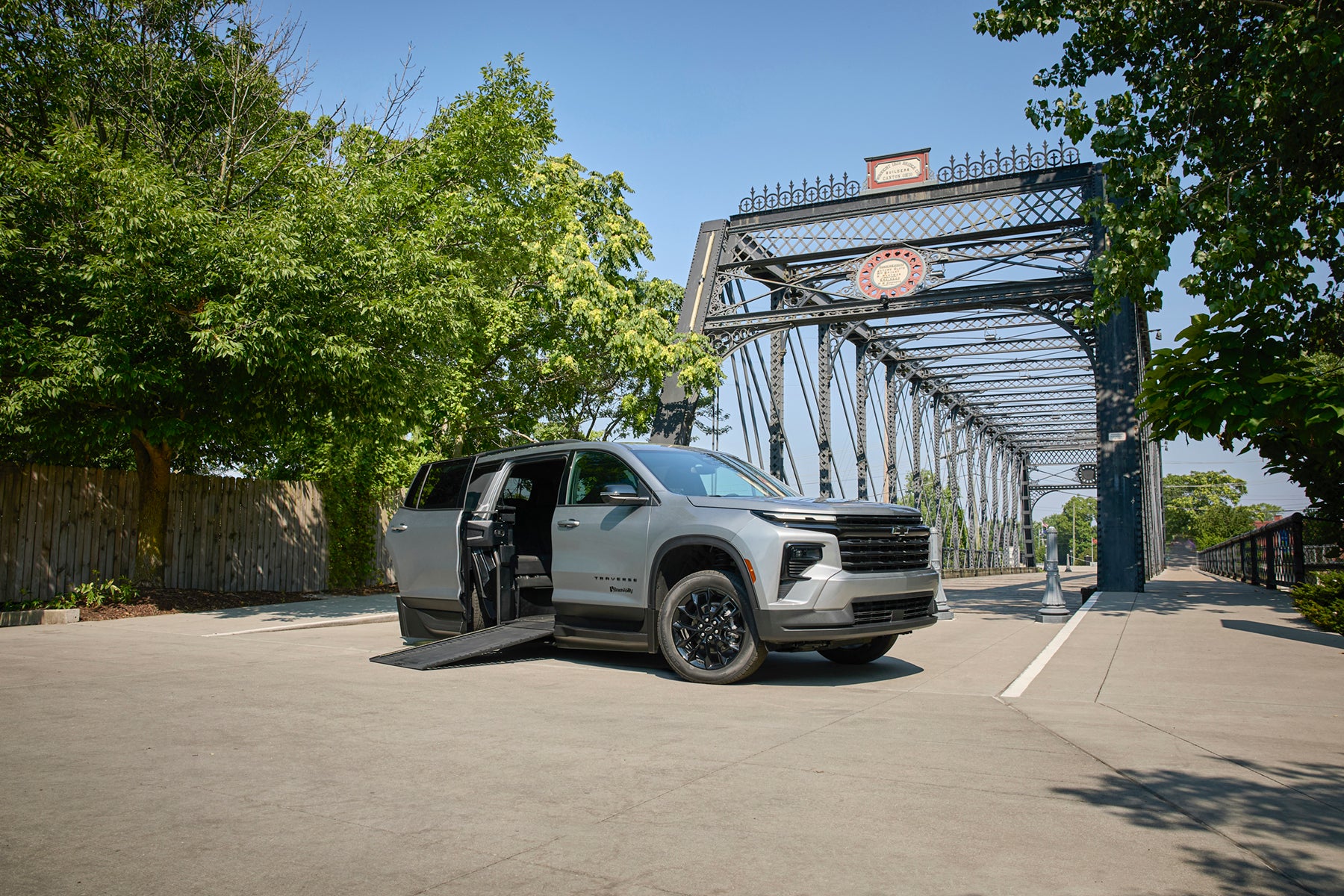
For years, the minivan was the undisputed king of the mobility world. But in 2026, the Chevrolet Traverse is proving that you don’t have to sacrifice style for accessibility. This week, we’re spotlighting why the newest Traverse conversion is the "it" vehicle for Maryland families. Style Meets Substance The 2026 Traverse features a bold, truck-inspired design that looks just as good at a Ravens tailgate as it does in the driveway. But the real magic happens inside. With the latest conversion technology, the Traverse offers a lowered floor that provides industry-leading headroom for power chair users. Why 2026 is the Year to Upgrade: Enhanced Super Cruise: Imagine a hands-free drive down to the Eastern Shore. The 2026 model’s Super Cruise tech is more intuitive than ever, reducing driver fatigue on long hauls. Flexible Seating: Whether you need the "removable front seat" option to drive from your chair or a "mid-row" position to stay close to the kids, the 2026 layout is incredibly modular. Zero-Effort Ramps: The new power-fold ramps are quieter and faster, meaning less time waiting in the rain and more time getting where you need to go.

Snow-Plow-with-Road-Salt

Spring-Cleaning Your Independence

March in Maryland is a breath of fresh air, but for wheelchair-accessible vehicles (WAVs), it’s a season of recovery. Those winter months on I-695 weren’t just cold; they were corrosive. Road salt and grime are the silent enemies of hydraulic lifts and aluminum ramps. This week, we’re focusing on how to ensure your mobility equipment is as ready for spring as you are. The Toll of a Baltimore Winter Salt is incredibly effective at melting ice, but it’s equally good at "eating" the delicate sensors and moving parts of your ramp system. If you’ve noticed your ramp deploying a bit slower or making a new "squeak" when you head to the grocery store, it’s time for a deep clean. At Jerry’s Mobility, we don’t just wash the exterior; we perform a specialized undercarriage and track flush to remove debris that could lead to a mid-trip failure. Maintenance Checklist: Track Lubrication: Ensure the tracks are free of pebbles and salt crystals. Battery Health: Cold weather strains batteries. Since many lifts run on the vehicle’s electrical system, a weak battery can leave you stranded. Tire Pressure: Drastic temperature swings in Carney mean your "Low Tire Pressure" light is likely on. Proper inflation is key for a smooth, level ride. The Jerry’s Mobility Difference We believe maintenance is about more than just mechanics; it’s about peace of mind. Our certified technicians are trained specifically in BraunAbility and Vantage Mobility (VMI) systems. While we work, enjoy our accessible lounge or take advantage of our local shuttle service. Schedule an appointment today!

Photo by Dan Krauss of TacGas

Is Your Vehicle Holding You Back? 3 Signs It’s Time for a Mobility Upgrade

For many of our clients at Jerry’s Mobility, a wheelchair-accessible vehicle (WAV) is more than just a car—it’s the key to doctor’s appointments, family reunions, and spontaneous weekend road trips. However, because we rely on these vehicles so heavily, it can be easy to overlook the gradual signs that they are no longer doing their job safely or efficiently. If your "freedom machine" is starting to feel like a source of stress, it might be time to look at an upgrade. Here are the three undeniable signs that your current vehicle is holding you back. 1. The "Mechanical Fatigue" of Your Conversion A standard minivan is built to last, but a mobility conversion involves structural surgery. Over time, the extra stress on the chassis, the thousands of ramp cycles, and the specialized suspension can take a toll. Watch for these "Red Flags": The "Groan" of the Ramp: If your electric ramp or lift is moving slower, making grinding noises, or requiring manual "nudges" to deploy, a failure is likely imminent. Suspension Sag: Does the vehicle feel "bottom heavy" or scrape on speed bumps more than it used to? This indicates the reinforced suspension is wearing out. Electrical Gremlins: Flickering lights or doors that don't always latch are often signs that the conversion's wiring is reaching its limit. Jerry’s Fact: Most vehicle lifts and ramp systems have an optimal lifespan of 5–10 years. If you’re crossing the decade mark, you’re likely spending more on specialized repairs than the vehicle is worth. 2. Your Mobility Equipment Has "Outgrown" the Van Technology in the wheelchair world moves fast. If you’ve recently upgraded to a larger power chair, a heavy-duty scooter, or added specialized seating, your old vehicle might literally be a "tight squeeze." Weight Capacity: Older lifts were designed for lighter chairs. If your new power chair is a "heavyweight" model, you might be dangerously close to the lift's weight limit. Headroom & Maneuverability: If you find yourself having to duck your head or perform a 10-point turn just to get into position, the physical strain on your neck and shoulders adds up every single day. The Upgrade Benefit: Modern 2025 and 2026 models (like the latest Toyota Sienna or Chrysler Pacifica conversions) offer "super-entry" door heights and extra-wide ramps that make entering as seamless as walking through a front door. 3. Caregiver Strain is Increasing Mobility is a team effort. If your spouse, child, or caregiver is starting to complain of back pain from helping with manual tie-downs, or if they are struggling to "wrestle" a heavy door closed, the vehicle is no longer serving the whole family. Modern features that change the game: Remote-Start Deploy: Imagine the ramp unfolding and the door opening automatically as you approach the driveway in the rain. EZ-Lock Systems: These allow a wheelchair to "click" into place like a seatbelt, eliminating the need for a caregiver to crawl on the floor to hook up manual straps. Lowered Floors: Newer conversions offer lower floor heights, which significantly reduces the "steepness" of the ramp, making manual pushing much easier for caregivers. When "Making Do" Becomes Unsafe At the end of the day, safety is the only metric that truly matters. If you’ve started saying "no" to outings because you don't trust the ramp to deploy, or if you're worried about the wheelchair shifting during a turn, you've already lost your independence. An upgrade isn't just a new car; it's the peace of mind that you can get from Point A to Point B without a second thought. View our Inventory Here: https://www.jerrysmobility.com/all-inventory.html

Chevrolet Traverse Wheelchair Accessible Baltimore

Choosing Your First Power Chair: A Beginner's Guide

Finding the right power wheelchair isn't just about picking a piece of equipment; it’s about choosing your new partner in independence. At Jerry’s Mobility, we know that the transition to a power chair can feel overwhelming. With so many models, features, and technical specs, where do you even start? This guide breaks down the essentials to help you move from "overwhelmed" to "empowered." 1. Identify Your Primary "Terrain" Before looking at brands, look at your life. Where will you spend 80% of your time? Indoor Use: You’ll want a tight turning radius and a compact frame to navigate hallways and bathroom doors. Mid-wheel drive chairs are usually best here. Outdoor Use: If you’ll be traversing gravel, grass, or uneven sidewalks, you need a chair with robust suspension and larger tires (usually rear-wheel or four-wheel drive). The Hybrid: Many modern chairs are designed to handle both, offering a balance of maneuverability and stability. 2. Understand the "Drive Bases" The "drive" refers to where the motor-powered wheels are located. This changes how the chair feels and moves: Front-Wheel Drive: Great for climbing small curbs and obstacles. It has a bit of a "fishtail" feel when turning but is very stable. Mid-Wheel Drive: The most intuitive to drive. It turns on its own axis, making it the gold standard for indoor maneuvering. Rear-Wheel Drive: The fastest option with the best "straight-line" tracking. Excellent for long-distance outdoor travel. 3. Comfort & Seating (The "Fit") You wouldn't wear shoes that are two sizes too small, and you shouldn't sit in a chair that doesn't support you. Consider these three factors: Cushioning: Essential for skin integrity and pressure sore prevention. Width and Depth: The seat should be wide enough for comfort but narrow enough to fit through standard 32-inch doorways. Power Functions: Do you need Power Tilt (to shift weight), Power Recline, or an Elevating Seat to reach high shelves? 4. Transportability: How Will You Get Around? This is a crucial "make or break" for many buyers. Folding/Travel Chairs: Lightweight and fit into most car trunks, but they often have less padding and lower battery range. Full-Size Chairs: These require a dedicated wheelchair-accessible vehicle (WAV) or a heavy-duty hitch lift on your SUV/Van. 5. Battery Life and Range Think about your "mileage." If you only go from the bedroom to the kitchen, battery range isn't a huge concern. If you plan on spending the whole day at a park or a mall, look for chairs with high-amp batteries that offer 15–20 miles of range per charge. The Jerry’s Mobility Checklist Before you buy, ask these three questions during your test drive: Does this fit through my narrowest door at home? Can I easily operate the joystick/controller? Is the seating comfortable for more than 10 minutes? Final Thought: Your first power chair is a tool for freedom. Don't rush the process! At Jerry's Mobility, we always recommend a professional fitting to ensure your chair supports your posture and your lifestyle.

chryslermobility

Regaining Independence: How Jerry’s Mobility Keeps Baltimore Moving

For many, a car is just a way to get from point A to point B. But for those living with mobility challenges, the right vehicle is more than just transportation—it is a key to independence, a way to stay connected to family, and a gateway to the world. At Jerry’s Mobility, we’ve dedicated our business to one mission: making sure that physical challenges never stand in the way of a full life. Whether you are a veteran, a senior, or a family caring for a loved one, we provide the specialized solutions you need to hit the road with confidence. Here is what makes Jerry’s Mobility the premier destination for accessible freedom in Maryland. 1. A Lineup Built for Every Lifestyle Independence isn't one-size-fits-all. That’s why we offer a diverse range of wheelchair-accessible vehicles (WAVs) built on the most reliable chassis in the industry, including the Chrysler Pacifica, Toyota Sienna, Chevrolet Traverse, and Honda Odyssey. Side-Entry Conversions: Perfect for those who want to drive from their wheelchair or sit in the front passenger area. These offer the most interior space and "social" seating arrangements. Rear-Entry Conversions: Often the more economical choice, these are ideal for those who frequently park in standard spaces, as you don’t need an extra-wide "van-accessible" aisle to deploy the ramp. 2. Adaptive Technology Beyond the Ramp Sometimes, you don’t need a full van conversion—you just need the right tools to make your current vehicle work for you. We partner with industry leaders like BraunAbility, Bruno, and Adapt Solutions to offer: Swivel Seating (Turny Evo): A seat that actually rotates and lowers to the ground, making transfers from a wheelchair or walker effortless. Hand Controls & Foot Accelerators: For those with limited lower-body mobility, our SureGrip systems allow you to control gas and brakes with precision and ease. Scooter & Chair Lifts: Whether it’s an interior hoist or an exterior platform, we can help you transport your mobility device on the back of your current SUV or truck. 3. We Support Our Heroes At Jerry’s, we have a deep respect for those who served. We are honored to assist veterans in navigating the VA Automobile Allowance and Adaptive Equipment grants. Jerry's Special: We offer a 10% Veterans Discount on rentals 4. Certified Service You Can Trust A mobility vehicle is a complex piece of engineering. You shouldn’t trust its maintenance to just any shop. Our technicians are BraunAbility Certified and NMEDA-trained. From hydraulic ramp repairs to specialized battery testing, we ensure your lifeline to the world remains reliable. 5. Try Before You Buy: The Rental Center Not sure if a side-entry or rear-entry is right for you? Our Mobility Rental Center allows you to "test-drive" the lifestyle. Whether you need a van for a weekend trip to the Inner Harbor or want to try a specific conversion for a week before purchasing, we make the process simple and affordable. Experience the Jerry’s Difference Since 1957, the Jerry's family has been serving Baltimore. Jerry’s Mobility is the latest chapter in that legacy, combining nearly 70 years of automotive expertise with a compassionate, person-first approach to accessibility. Ready to explore your options? Visit us at 1940 E Joppa Road or give Mike and Tanya a call at 410-661-9100. Let’s find the solution that gets you back where you belong—behind the wheel. Browse Our Current Mobility Inventory: https://www.jerrysmobility.com/all-inventory.html

NAAV-van-red-bow

Driving Home for the Holidays: Why a Mobility Van is the Ultimate Gift of Togetherness

The holidays are synonymous with travel. Whether it’s driving to Grandma’s house for dinner, heading to a worship service, or just taking a drive to look at the neighborhood lights, we spend a lot of time in our cars this season. But for families navigating mobility challenges, the simple act of "getting in the car" can be the most stressful part of the holidays. Transfers into standard sedans or SUVs can be difficult, physically straining, and—when ice and snow are involved—dangerous. This year, consider how a Wheelchair Accessible Vehicle (WAV) from Jerry's Mobility can change your holiday dynamic. 1. Eliminate the "Transfer Dance" We all know the struggle: parking the wheelchair, helping your loved one stand, pivoting on slippery pavement, and trying to tuck the wheelchair into a trunk that’s already full of gifts. The Van Advantage: With a mobility van, you simply deploy the ramp. Your loved one rolls right in and stays comfortably in their own chair. No heavy lifting, no freezing outside while trying to fold a wheelchair. You are buckled in and the heater is on in seconds. 2. Keep the Family Together Often, when a family member uses a wheelchair, they end up taking a separate specialized transport service while the rest of the family drives in their own car. This separates the family during the journey. The Van Advantage: A mobility van allows everyone to ride in the same vehicle. You can listen to holiday music, chat, and share the experience together. It turns the commute into quality time. 3. Not Ready to Buy? Try a Holiday Rental! We know that a van is a significant purchase. However, you don’t have to buy a new vehicle to enjoy the benefits this Christmas. Rent for the Week: Jerry's Mobility offers rental options perfect for the holiday week. Test Drive Life: Renting is a fantastic way to "test drive" the lifestyle change a van offers. See how much easier it makes your holiday shopping and family visits before committing to a purchase later in the year. 4. Safety First Standard seatbelts in regular cars aren't always optimized for someone with posture support needs. The Van Advantage: Our vans come equipped with distinct tie-down systems (like Q-Straint) to ensure the wheelchair is essentially bolted to the floor, providing a safe and secure ride even on winter roads. Get Moving This December Whether you are looking to purchase a van to reclaim your freedom or just need a rental to make the family gathering accessible, Jerry's Mobility is here to help. Stop by the lot this week to see our inventory of side-entry and rear-entry vans. Let's get you on the road to a happier holiday!

0b156c636e57511c36734e9307935099

Sleigh the Snow: Winterizing Your Mobility Device for the Holidays

The holidays are a time for visiting family, attending parties, and enjoying the winter scenery. But for those of us relying on mobility scooters or power wheelchairs, the drop in temperature and the arrival of snow can present some unique challenges. At Jerry's Mobility, we want to ensure you don’t miss a single holiday moment. Here is your checklist for keeping your mobility equipment running smoothly through the winter wonderland. 1. Cold Weather Kills Batteries Did you know that freezing temperatures can drain your battery life significantly faster than warm weather? Charge It Up: Always charge your batteries fully before heading out. Keep It Warm: If possible, store your scooter or wheelchair inside a heated area (like a garage or hallway) rather than a freezing shed. A warm battery holds a charge much longer. Plan Ahead: If you are visiting family, bring your charger with you, even for short trips! 2. Traction is Key Winter sidewalks can be slippery. Just like a car needs winter tires, your mobility device needs good tread. Check your tires for wear and tear. Bald tires on ice are a recipe for sliding. Avoid deep snow. Most standard scooters are not designed for deep powder; stick to cleared paths and salted sidewalks to avoid getting stuck or damaging the motor. 3. See and Be Seen Winter days get dark early. If you are heading out to a holiday dinner at 4:00 PM, you might be coming home in the pitch black. Check Your Lights: Ensure your headlights and rear lights are functioning. Reflective Gear: Consider adding a reflective flag to your scooter or wearing a high-visibility vest over your winter coat. The Jerry's Mobility Bottom Line: Don't let the weather keep you inside! A little preparation ensures you can visit loved ones safely. If you need a battery test or a tire check before the snow hits, stop by our shop!

Gaining Confidence on the Road with SureGrip Hand Controls in Baltimore

At Jerry's Mobility, we understand that maintaining independence and enjoying the freedom of the open road is crucial for individuals with disabilities. That's why we're proud to offer SureGrip hand controls, a top-of-the-line driving adaptation solution designed to enhance safety and comfort for drivers with limited mobility in their lower extremities. What are SureGrip Hand Controls? SureGrip hand controls are a popular choice for adaptive driving because they: Replace the traditional gas and brake pedals: Drivers operate the vehicle using hand levers mounted on the steering column. Offer customizable options: Adjustability features allow for personalized fit and optimal driving comfort. Provide precise control: SureGrip's design ensures smooth and responsive acceleration and braking. Enhance safety: Features like push-button parking brakes and emergency braking systems contribute to a safer driving experience. Benefits of SureGrip Hand Controls: Increased independence: Enjoy the freedom to drive yourself to appointments, social events, and beyond. Improved quality of life: Maintain your mobility and social connections. Enhanced safety: Drive with confidence knowing you have precise control over your vehicle. Comfort and convenience: Customized fit and ergonomic design promote comfortable driving. Jerry's Mobility: Your Partner in Adaptive Driving At Jerry's Mobility, we offer a comprehensive range of services, including: Ordering and installation of SureGrip hand controls Installation of spinner knobs and steering grips Customized vehicle adaptations We recognize the importance of expert installation and proper vehicle modification. That's why our team includes certified NEMEDA QAP technicians, who specialize in: Custom fitting your vehicle with equipment recommended by a Certified Driver Rehabilitation Specialist (CDRS) Ensuring safe and reliable operation of all adaptive driving equipment Providing ongoing support and maintenance Contact Jerry's Mobility Today Ready to regain your driving independence? Contact Jerry's Mobility today to schedule a consultation. Our experienced team will work closely with you and your CDRS to determine the best driving adaptations for your individual needs.

Contact Us

Fill out this form below and we'll contact you shortly
*Required Fields