

Quick Answer: What Is the Difference Between Side-Entry and Rear-Entry Wheelchair Vans?
The primary difference between a side entry wheelchair van Baltimore drivers choose and a rear-entry conversion lies in ramp deployment direction, parking requirements, and seating flexibility. Side-entry vans allow wheelchair users to drive or ride in the front passenger seat but require extra side clearance for ramp extension. Rear-entry vans deploy from the tailgate, fitting into standard parking spaces in nearby Rosedale and Perry Hall as well.
Understanding Side-Entry and Rear-Entry Wheelchair Van Conversions
Selecting a wheelchair-accessible vehicle is one of the most significant investments an individual, family, or caregiver will make. Beyond choosing the right vehicle make and model, deciding between a side-entry or a rear-entry ramp conversion impacts your daily convenience, parking options, and interior seating arrangements.
Both conversion styles offer safe, crash-tested mobility solutions engineered by leaders like BraunAbility. However, urban parking conditions across downtown Baltimore, suburban driveway setups in Rosedale, and garage clearances in Perry Hall require careful evaluation. Matching vehicle ramp mechanics to your physical mobility goals and local driving routine ensures long-term satisfaction.
Deep Dive: Side-Entry Wheelchair Vans
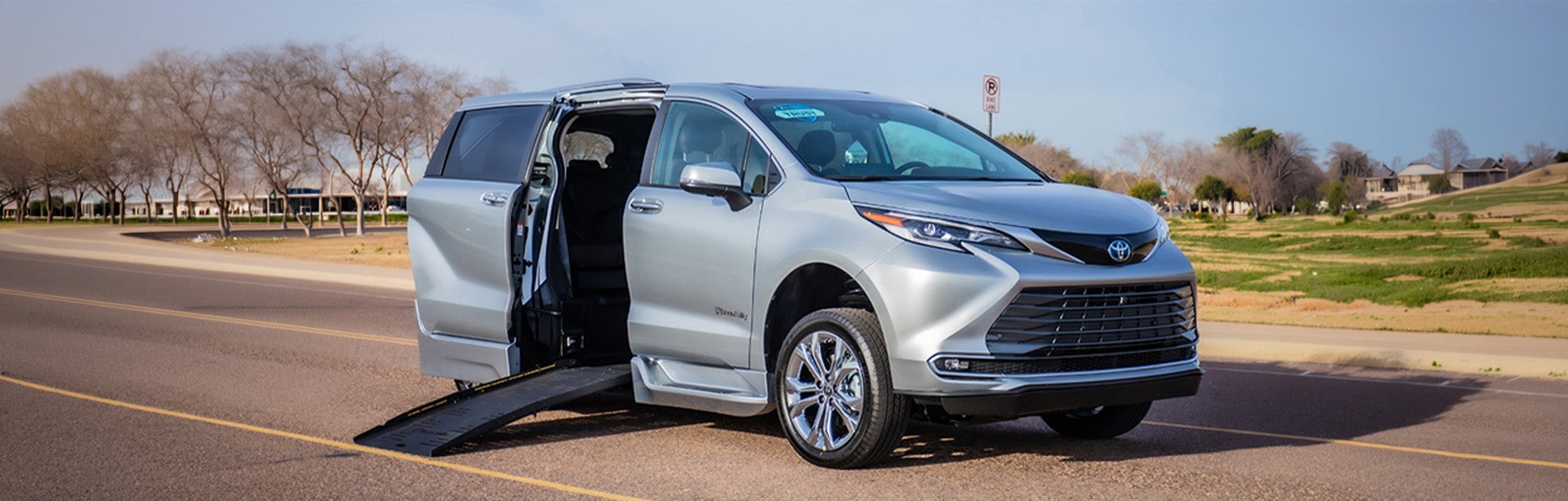
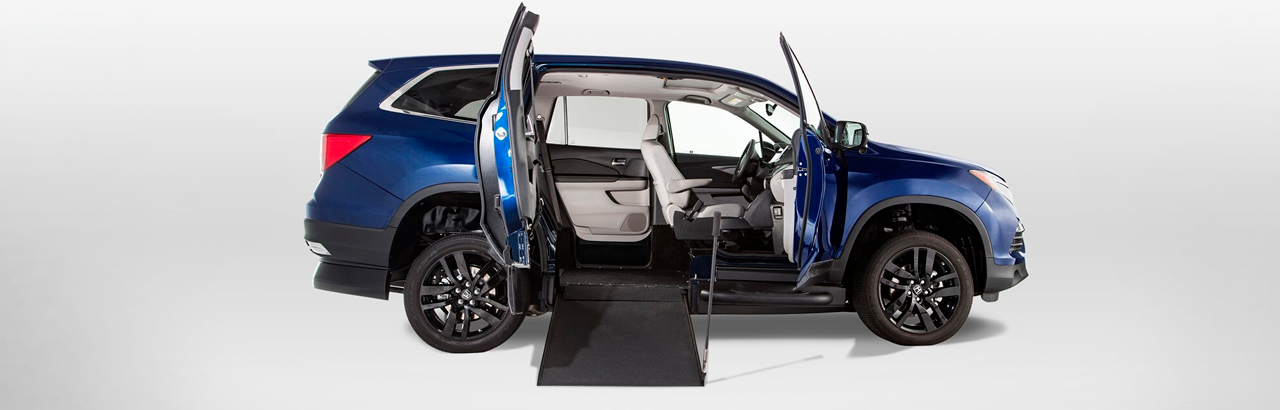
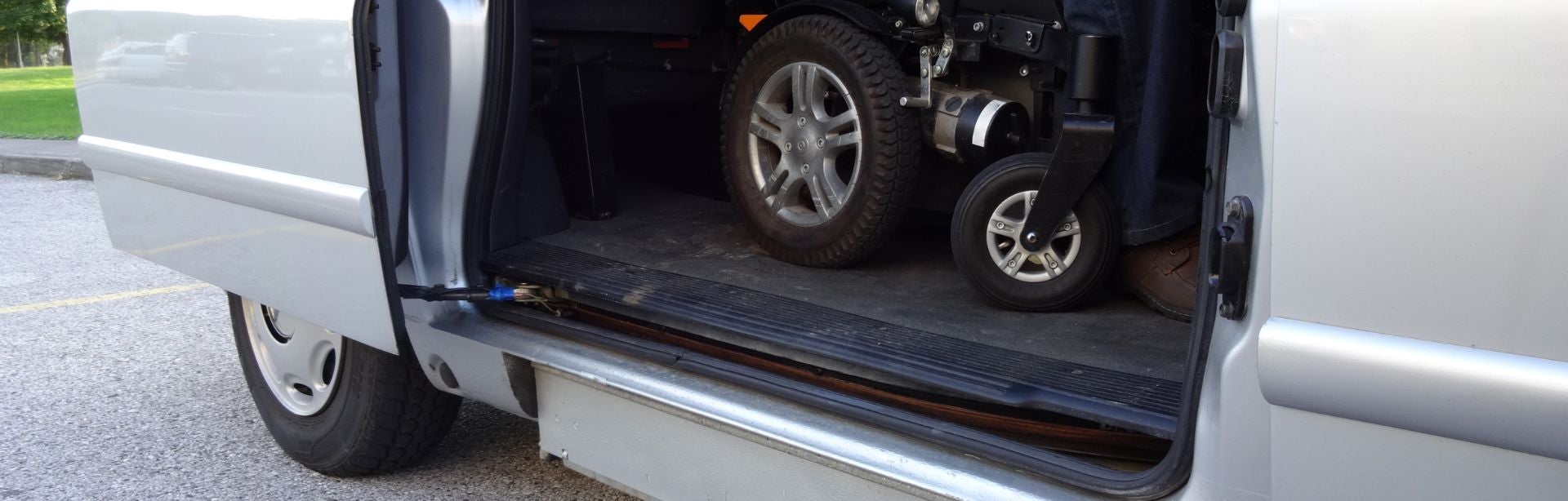
Side-entry conversions feature a lowered vehicle floor from behind the front bumper back to the rear axle. The access ramp extends outward from the side sliding door on either the passenger or driver side.
Key Benefits of Side-Entry Conversions
Driver-Position Access: Side-entry minivans offer removable front bucket seats. This setup allows a wheelchair user to roll directly into the driver’s position using specialized hand controls or transfer into the driver seat.
Front-Passenger Seating: Wheelchair users who prefer to sit next to the driver in the front row can easily do so in a side-entry van, offering equal sightlines and conversation access.
Unobstructed Rear Cargo Space: Because the ramp enters through the side door, the original trunk or rear cargo area behind the third-row seat remains entirely intact for luggage, groceries, and medical supplies.
Curbside Loading Safety: On urban streets, side-entry ramps allow passengers to deploy directly onto sidewalks rather than into street traffic.
Parking & Space Considerations
Requires Side Clearance: Deploying a side-entry ramp requires approximately 4 to 5 feet of open space alongside the vehicle. Drivers must park in designated van-accessible handicap spaces with hashed access aisles to ensure room for loading.
Full-Cut Floor Investment: Because side-entry conversions require a full-cut lowered floor and chassis reinforcement, initial conversion costs are higher than standard rear-entry setups.
Deep Dive: Rear-Entry Wheelchair Vans
Rear-entry conversions lower the floor in the center and rear sections of the vehicle. The ramp unfolds directly from the tailgate, allowing the wheelchair user to enter from behind the vehicle and roll into the mid-cabin position.
Key Benefits of Rear-Entry Conversions
Standard Parking Space Compatibility: Because the ramp deploys out the back, you do not need open side space to load or unload. You can park in standard parking spots, parallel street spaces, or narrow residential driveways.
Lower Purchase and Conversion Cost: Rear-entry modifications require less structural alteration to the mid-section chassis, making pre-owned rear entry wheelchair vans in Baltimore a budget-friendly option for families.
Mid-Cabin Family Proximity: Caregivers or family members can sit on second-row passenger seats directly alongside the wheelchair user, providing comfortable interaction during travel.
Parking & Space Considerations
No Driver-Seat Access: A wheelchair user cannot drive a rear-entry vehicle directly from their chair, as the factory front seats and floor remain completely intact.
Rear Traffic Loading: Unloading a rear-entry ramp on busy city streets requires opening the tailgate into traffic lanes unless parked in a driveway or dedicated parking lot.
Reduced Trunk Storage: The stowed rear ramp occupies part of the rear trunk bay, reducing deep rear cargo space.
Local Baltimore Parking & Driving Scenarios: Comparing Real-World Usability
Where you live and park across Greater Baltimore plays a major role in which conversion style performs best.
Downtown Baltimore & Rowhouse Streets
Navigating urban Baltimore neighborhoods—such as Federal Hill, Fells Point, or Mount Vernon—often means relying on parallel street parking where side access aisles do not exist. A rear-entry van allows a caregiver to roll a passenger in from the back bumper without worrying about adjacent cars parking too close to the side doors. However, if you frequently load at urban curbsides or medical center drop-off zones, a side-entry model keeps the passenger safely on the sidewalk.
Suburban Living in Rosedale and Perry Hall
In suburban communities across Rosedale and Perry Hall, homeowners frequently utilize double-car garages, wide concrete driveways, and spacious shopping center parking lots. A side-entry vehicle, such as a pre-owned Toyota Sienna Wheelchair Van, excels in these environments, allowing independent drivers to deploy power ramps effortlessly onto wide garage floors or driveway pads.
How to Decide Which Ramp Configuration Fits Your Family
To determine which conversion style fits your physical needs and daily routine, evaluate these core factors:
Will the Wheelchair User Drive? If the person using a wheelchair plans to drive the vehicle independently, a side-entry conversion is required.
Where Do You Park Most Often? If your daily routine involves standard parking spaces or tight driveways without side aisles, a rear-entry van provides maximum parking convenience.
What Is Your Overall Budget? Buyers seeking lower upfront costs often find rear-entry pre-owned vans fit tight financial parameters while delivering exceptional reliability.
Do You Carry Heavy Cargo? Families traveling frequently with sports equipment, luggage, or multiple mobility devices may prefer the open rear trunk space preserved by side-entry vans.
Before finalizing any vehicle purchase, consulting adaptive driving guidelines published by the National Highway Traffic Safety Administration (NHTSA) ensures that your chosen vehicle setup complies with essential occupant safety and securement standards.
Explore Pre-Owned Mobility Vans at Jerry's Mobility
Choosing between a side-entry and a rear-entry wheelchair van comes down to your personal mobility needs, vehicle seating preferences, and home parking environment.
At Jerry’s Mobility, our team of mobility specialists conducts hands-on vehicle fittings and ramp demonstrations for families across Baltimore, Rosedale, and Perry Hall. Visit our showroom today to test drive both side-entry and rear-entry conversions and find the ideal wheelchair van Baltimore drivers rely on for long-term independence.