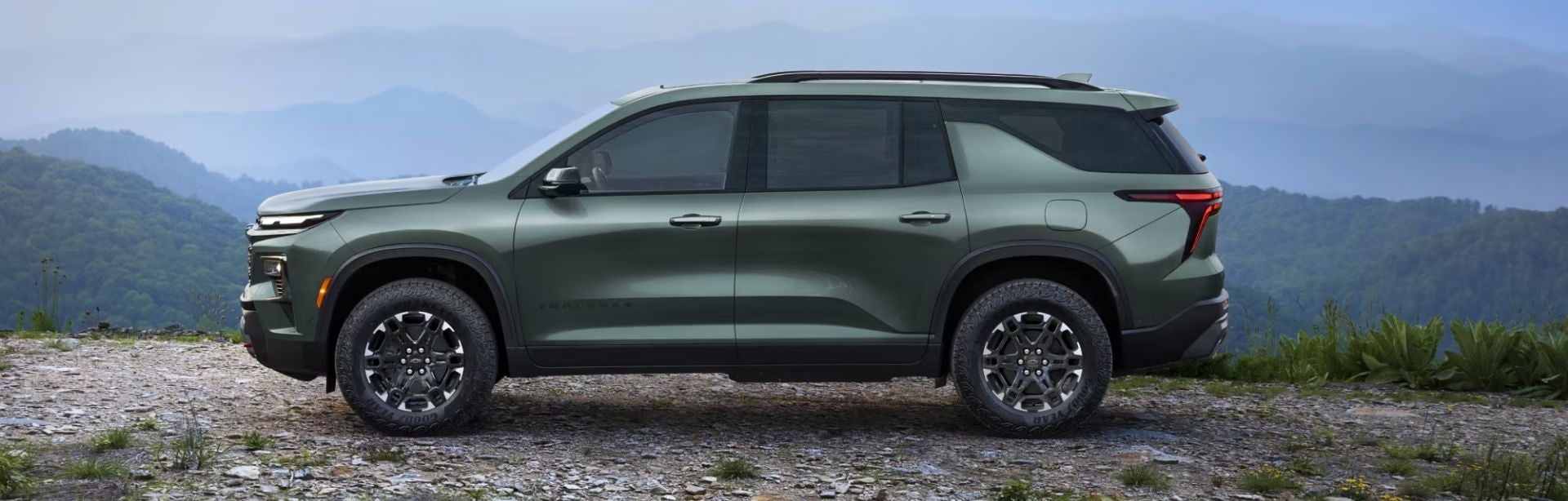
Quick Answer: What Are the Key Dimensions and Specs of the BraunAbility Chevy Traverse? The BraunAbility Chevrolet Traverse features a 30.5-inch usable door opening width, 54.5 inches of doorway entrance height, and an industry-leading 1,000-pound power in-floor ramp capacity. Unlike minivans, this wheelchair accessible SUVs retains a factory towing capacity of up to 5,000 pounds when properly equipped, offering spacious cabin turning radiuses for buyers in Baltimore, Perry Hall, and Rosedale. Redefining Accessible Vehicles: The Crossover SUV Advantage For families and adaptive drivers across Greater Baltimore, choosing a mobility vehicle historically meant choosing a traditional minivan. While minivans offer dependable service, many drivers want the aggressive styling, elevated sightlines, and command-of-the-road driving feel of a full-size crossover SUV. BraunAbility answered this demand by engineering a side-entry lowered-floor conversion on the Chevrolet Traverse chassis. For buyers researching a pre-owned or new wheelchair accessible Chevy Traverse in Baltimore, understanding exact door clearance dimensions, ramp weight ratings, and trailer towing parameters ensures the vehicle fits your power wheelchair and your lifestyle. Door Clearance and Entrance Dimensions: Room for Large Power Chairs A primary concern for power wheelchair users is ensuring smooth entrance through the side door without tilting back or brushing against the door frame. 1. Usable Doorway Width and Height Usable Door Opening Width: 30.5 inches. This wide entry frame allows even broad complex rehab power chairs and heavy-duty scooters to pass through without catching joystick controllers on door seals. Usable Door Opening Height: 54.5 inches measured at the center of the doorway. The lowered floor pan creates ample vertical clearance for taller seated passengers entering the cabin. Glide Door Engineering: Instead of a standard sliding door track, BraunAbility uses a specialized power glide door that swings outward and back toward the rear wheel well. This maximizes the physical doorway clearance while keeping side body lines clean. 2. Interior Cabin Headroom and Turning Clearance Interior Height at Seated Positions: 58.5 inches at the driver and front passenger positions, and 59 inches along the center cabin floor. Overall Flat Floor Length: 90.25 inches of lowered floor length from the firewall back to the third-row bench seat. Cabin Maneuverability: The flat floor plan provides a 360-degree turning radius inside the mid-cabin, allowing full-size power chairs to rotate smoothly into place without multi-point turning maneuvers. Ramp Engineering: 1,000-lb Capacity In-Floor Power System The ramp system on the BraunAbility Traverse is designed for durability, ease of deployment, and silent operation. Complete engineering safety parameters and technical schematics can be evaluated through BraunAbility Official Conversion Specifications. Key Ramp Specifications and Features Ramp Weight Capacity: Industry-leading 1,000-pound rating. This heavy-duty threshold accommodates heavy power wheelchairs, complex seating systems, and adult occupants simultaneously. Usable Ramp Width: 30.25 to 30.5 inches of clear rolling surface. Power In-Floor Stowing: The ramp slides completely underneath the vehicle floor pan when stowed. This leaves the interior doorway unobstructed for ambulatory family members entering and exiting the passenger side. Automatic Rear Kneeling: An integrated electric suspension actuator automatically lowers the passenger rear corner of the SUV as the ramp deploys. This reduces the ramp incline angle to approximately 9 to 10 degrees, making entry effortless. Wayfinder Lighted System: High-visibility LED strip lighting lines the ramp edges, illuminating the ramp surface during nighttime loading in unlit driveways across Perry Hall and Rosedale. Towing Capabilities and Utility for Maryland Families A major advantage of choosing an SUV over a traditional minivan is retaining heavy-duty towing capacity. Families who transport boats, camper trailers, or utility equipment across Maryland often find standard minivans limited in towing output. Towing Capacity Breakdown Factory Tow Package Retention: When equipped with Chevrolet's factory-installed trailering package (V08 code), the BraunAbility Chevy Traverse retains a factory-rated towing capacity of up to 5,000 pounds. 3.6L V6 Engine Power: Powered by a 3.6-liter V6 engine paired with a smooth-shifting automatic transmission, the Traverse delivers 310 horsepower and 266 lb-ft of torque. This powertrain easily handles highway acceleration along I-95 and I-695 while hauling a fully loaded cabin and trailer. All-Wheel-Drive (AWD) Availability: Available AWD options provide enhanced stability and wheel traction during rainy spring commutes or icy winter road conditions across Baltimore County. Chevy Traverse vs. Minivan Space Comparison While the Chevy Traverse provides exceptional styling and 5,000-lb towing power, comparing its layout against a pre-owned Toyota Sienna wheelchair van helps clarify cabin trade-offs: Towing Capacity: The Chevy Traverse offers up to 5,000 lbs of towing capacity, whereas traditional minivans generally top out between 3,500 lbs. Ramp Capacity: The Traverse features an industry-best 1,000-lb ramp rating, compared to standard 800-lb capacity ramps found on many older minivan conversions. Vertical Door Clearance: Minivans offer up to 56 inches of doorway height, while the Traverse provides 54.5 inches. Extremely tall power chair users may prefer testing both vehicles in person to confirm head clearance. Ground Clearance: The Traverse offers higher ground clearance at 5.5 to 6 inches, reducing the risk of bottoming out on steep driveways in Perry Hall or high curbs in downtown Baltimore. Step-and-Roll Front Seating for Independent Drivers The BraunAbility Chevy Traverse is engineered for both caregivers and independent adaptive drivers. Removable Front Bucket Seats: Both the driver and front passenger seats feature Step & Roll quick-release bases. A single lever unlocks the seat assembly, allowing it to roll easily out of the vehicle on built-in wheels. Drive-From-Wheelchair Option: With the driver seat removed, a wheelchair user can roll directly behind the steering wheel and secure their chair using floor-mounted tie-down tracks or an EZ Lock docking system. Front Passenger Placement: Wheelchair users who prefer riding up front next to the driver can lock their chair into the front passenger position while keeping the factory driver seat intact. Inspecting a Pre-Owned Chevy Traverse at Jerry's Mobility Because converted crossover SUVs are in high demand on the pre-owned market, finding a reliable Chevrolet wheelchair SUV for sale requires partnering with an authorized mobility dealer. At Jerry's Mobility, our certified technicians inspect the power glide door motor, in-floor ramp belt drives, auto-kneeling actuators, and subframe corrosion protection on every pre-owned SUV before it reaches our showroom floor. Whether you live in Baltimore, Rosedale, or Perry Hall, our mobility specialists are ready to assist you with physical vehicle fittings, grant paperwork, and flexible financing options. Contact our showroom today to schedule your private consultation and test drive a BraunAbility Chevrolet Traverse SUV.