


Blog / Jerry's Mobility Service

Toyota Sienna vs. Honda Odyssey BraunAbility Conversions: Head-to-Head Comparison

Sienna_Toyota

Quick Answer: Which Is Better, the Toyota Sienna or Honda Odyssey BraunAbility Wheelchair Van?

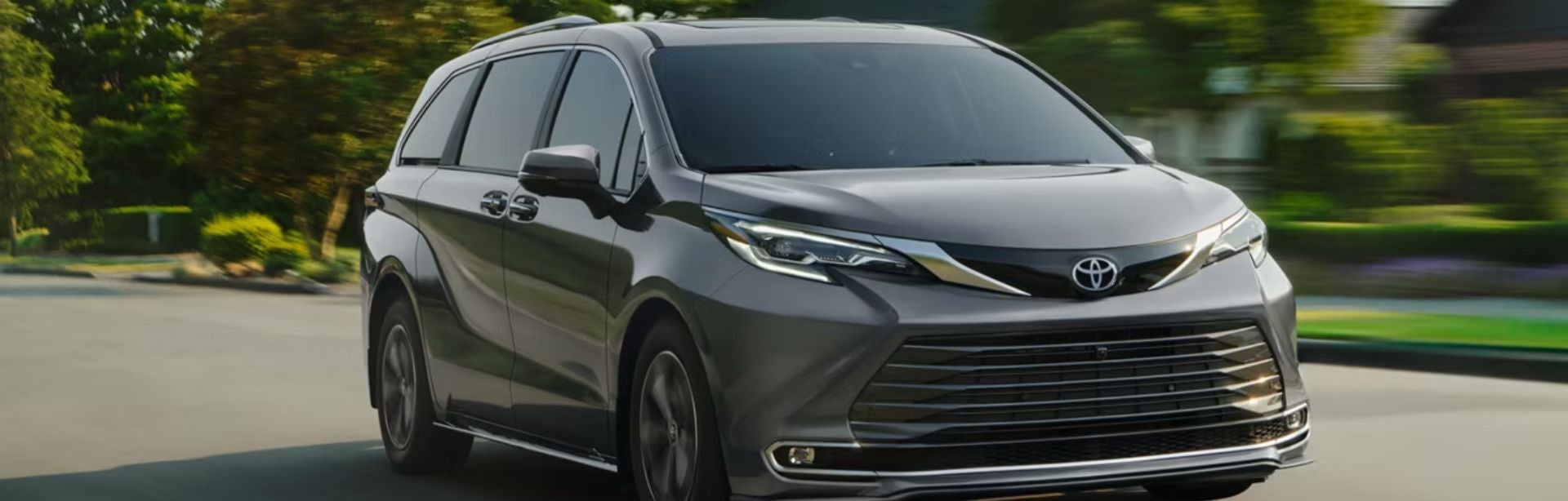
The Toyota Sienna hybrid BraunAbility van excels in fuel economy with an EPA-estimated 36 MPG combined rating and up to 56.0 inches of doorway entrance height on Foldout XT models. The Honda Odyssey BraunAbility infloor van offers a higher-horsepower 3.5L V6 engine producing 280 HP with 54.5 inches of doorway entrance height. Both platforms provide 3,500-lb towing capacities and 1,000-lb ramp load ratings for buyers across Baltimore, Rosedale, and Perry Hall.

Core Specification Breakdown: Sienna Hybrid vs. Odyssey V6


Technical Note: Vehicle specifications, door opening dimensions, and fuel economy ratings reflect manufacturer baseline figures for current-generation BraunAbility conversions. Exact measurements may vary slightly depending on model year, trim package, tire size, and individual adaptive equipment installations.


Evaluating the mechanical specs of the industry's two top minivans helps buyers choose the platform that fits their driving style and physical accessibility requirements.

  • Toyota Sienna Drivetrain & Efficiency: 2.5L 4-Cylinder Hybrid engine generating 245 combined net horsepower. Achieves 36 MPG City / 36 MPG Highway / 36 MPG Combined with a driving range of over 600 miles per tank.

  • Honda Odyssey Drivetrain & Performance: 3.5L V6 gas engine generating 280 horsepower and 262 lb-ft of torque. Achieves 19 MPG City / 28 MPG Highway / 22 MPG Combined.

  • Towing & Ramp Capacities: Both vehicles retain factory towing capacities up to 3,500 lbs and feature BraunAbility power ramps rated for 1,000 lbs.

Entrance Height, Ramp Width, and Cabin Dimensions

Doorway clearance and ramp geometry dictate how easily a power wheelchair or manual chair user enters the cabin.

BraunAbility Toyota Sienna Specifications

  • Power Foldout XT Door Clearance: 56.0 inches of usable doorway height; 31.0 inches of doorway width; 29.25 inches of usable ramp width; 9.0-degree ramp angle with automatic kneeling.

  • Power Infloor Door Clearance: 54.0 inches of usable doorway height; 31.0 inches of doorway width; 30.3 inches of usable ramp width; 9.5-degree ramp angle with automatic kneeling.

  • Interior Cabin Height: Provides 60.5 inches of vertical clearance at the center cabin position on Foldout XT models.

BraunAbility Honda Odyssey Specifications

  • Power Infloor Door Clearance: 54.5 inches of usable doorway height; 30.5 inches of doorway width; 30.5 inches of usable ramp width; 9.2-degree ramp angle with automatic kneeling.

  • Interior Cabin Height: Provides 58.5 inches of vertical clearance at the center cabin position.

Ground Clearance and Driving Realities in Greater Baltimore

Navigating high parking curbs, speed bumps, and winter slush across Baltimore County requires adequate underbody clearance.

  • Toyota Sienna Ground Clearance: Sits elevated at 5.0 to 6.5 inches from the ground, providing exceptional underbody protection along suburban Perry Hall driveways.

  • Honda Odyssey Ground Clearance: Sits slightly lower at 5.0 to 5.5 inches, offering a low center of gravity for smooth highway handling along Interstate 695.

Long-Term Resale Value and Market Equity

Both Japanese platforms hold exceptional residual value on the pre-owned market due to chassis longevity and demand from caregivers in Rosedale. The Toyota Sienna Hybrid commands strong equity retention due to low long-term fuel costs, while the Honda Odyssey maintains high demand from drivers prioritizing traditional V6 engine performance. Complete crash-test safety documentation and engineering specs can be reviewed through BraunAbility Official Product Specs.

To inspect a pre-owned Toyota wheelchair van for sale or schedule a test drive in a Honda wheelchair van near me, visit the mobility specialists at Jerry's Mobility in Rosedale today.

Posted in:

Related Posts

RAM_Promaster.

Heavy-Duty Commercial Mobility Solutions: RAM ProMaster vs. Ford E-350 for Maryland Fleets

Quick Answer: What Is the Difference Between RAM ProMaster and Ford E-350 Wheelchair Vans? The primary difference between a Dodge Promaster wheelchair van for Baltimore operators and a Ford E-350 full-size conversion lies in chassis architecture, floor height, and lift deployment mechanics. The RAM ProMaster features a front-wheel-drive design with a low step-in height and up to 76 inches of interior standing headroom, while the Ford E-350 utilizes a heavy-duty rear-wheel-drive body-on-frame chassis built for maximum payload capacity and heavy dual-post hydraulic lifts across Rosedale and Perry Hall. Understanding Full-Size Mobility Platforms in Greater Baltimore While minivans and crossover SUVs fulfill the requirements of many retail buyers, certain personal mobility needs and group transport services require full-size vehicle dimensions. Transporting tall seated passengers, carrying extra-heavy power wheelchairs, or securing multiple wheelchair positions simultaneously demands the expanded interior volume of a full-size van. For drivers, caregivers, and non-emergency medical transportation (NEMT) providers operating across Baltimore, MD, Rosedale, MD, and Perry Hall, MD, the two flagship full-size vehicles on the pre-owned market are the RAM ProMaster and the Ford E-350. Evaluating chassis stability, interior vertical clearance, lift weight capacities, and overall operating costs helps determine which heavy-duty platform fits your daily transport goals. RAM ProMaster Wheelchair Van: Front-Wheel Drive Efficiency & High-Roof Space The RAM ProMaster has redefined full-size mobility accessibility due to its unique drivetrain layout and boxy interior geometry. 1. Front-Wheel-Drive (FWD) Chassis Advantage Unlike traditional full-size vans built on rear-wheel-drive truck frames, the RAM ProMaster utilizes a front-wheel-drive powertrain. Because there is no heavy driveshaft running beneath the rear cabin floor, the vehicle achieves an exceptionally low factory floor step-in height. 3.6L Pentastar V6 Engine: Delivers 280 horsepower and responsive city acceleration while maintaining efficient fuel performance. Lowered Floor & Low Ramp Incline: Combined with a lowered-floor conversion, the low floor height reduces the entry angle for side-entry ramps, making manual pushing effortless. 2. Industry-Leading Interior Headroom High Roof Clearance: High-Roof ProMaster models provide up to 76 inches of interior standing headroom. Ambulatory passengers and caregivers can walk upright through the cabin without stooping or ducking. Ultra-Wide Doorways: Features wide side sliding door openings and rear swing doors that accommodate large power chairs and stretchers. 3. Accessible Entry Configurations A pre-owned or new RAM ProMaster wheelchair van can be configured with either a heavy-duty side-entry power ramp (such as the BraunAbility Simple Stow system) or a rear-mounted hydraulic platform lift, offering flexibility for up to two wheelchair securement positions. Ford E-350 Wheelchair Van: Heavy-Duty Payload & Hydraulic Lift Power The Ford E-350 platform represents traditional heavy-duty durability, built on a rugged steel ladder frame engineered to withstand demanding daily use. 1. Body-on-Frame Rear-Wheel Drive (RWD) Architecture Heavy Payload Capacity: The rigid frame of a pre-owned Ford E-350 wheelchair van handles high Gross Vehicle Weight Ratings (GVWR), making it capable of carrying heavy passengers, medical gear, and multi-person seating layouts without straining the suspension. V8 Powertrain Output: Powered by heavy-duty V8 engine options, the E-350 provides strong torque for mountain driving or heavy trailer towing across Maryland. 2. Dual-Post Hydraulic Platform Lifts High Capacity Lifts: Ford E-350 conversions typically feature heavy-duty dual-post hydraulic wheelchair lifts (such as BraunAbility Century or Millennium Series lifts) mounted at the rear or side doors. 800 to 1,000-lb Lift Ratings: These solid steel platform lifts lift heavy power chairs and occupants smoothly, featuring automatic roll-stops and handrails for maximum security during operation. 3. SmartFloor Track Flexibility The wide cabin of the Ford E-350 allows for modular floor track systems (such as SmartFloor or L-track layouts). Seat bases can be unlatched and moved in seconds to reconfigure the interior for varying combinations of seated passengers and wheelchair positions. Federal ADA Accessibility Standards for Full-Size Mobility Vans For organizations, group homes, and individuals requiring full ADA compliance, vehicles must satisfy specific Federal Motor Vehicle Safety Standards (FMVSS) and regulations established under the U.S. Department of Justice ADA Accessibility Regulations for Transportation. Door Opening Height: ADA-compliant full-size vans must provide a minimum of 56 inches of clear vertical door entrance height for lift or ramp access. Lift Platform Dimensions: Hydraulic lift platforms must measure at least 30 inches wide by 48 inches long, with a minimum design load capacity of 600 lbs (industry standards frequently exceed this at 800 to 1,000 lbs). Occupant Securement Systems: Vehicles must feature 4-point floor-anchored wheelchair tie-downs alongside integrated 3-point lap and shoulder occupant restraint belts tested to withstand 2,500 lbs of pressure per corner. Interior Lighting: Doorways and lift U.S. Department of Justice ADA Accessibility Regulations for Transportation hen deployed to ensure safe nighttime boarding in unlit parking areas across Perry Hall and Rosedale. Head-to-Head Comparison: ProMaster vs. Ford E-350 To help buyers searching for a Ford wheelchair van or a full-size Dodge conversion select the right vehicle, consider how their key operational metrics compare: Drivetrain Layout: RAM ProMaster uses Front-Wheel Drive (FWD); Ford E-350 uses Rear-Wheel Drive (RWD). Interior Standing Height: RAM ProMaster High-Roof provides up to 76 inches of factory standing room; Ford E-350 relies on raised fiberglass roof extensions to add vertical clearance. Floor Step-In Height: RAM ProMaster features a naturally low step-in height due to its FWD design; Ford E-350 sits higher off the ground, requiring running boards or hydraulic lifts for ambulatory entry. Primary Entry System: RAM ProMaster utilizes side-entry power ramps or rear lifts; Ford E-350 utilizes heavy-duty dual-post hydraulic lifts. Urban Handling: RAM ProMaster offers a tight turning radius well-suited for narrow downtown Baltimore streets; Ford E-350 delivers maximum highway stability and heavy payload capacity for regional travel across Baltimore County. Selecting Your Heavy-Duty Mobility Solution at Jerry's Mobility Whether you require the low-floor efficiency and standing headroom of a RAM ProMaster or the heavy-duty hydraulic lifting power of a Ford E-350, finding the right full-size vehicle comes down to matching physical vehicle dimensions to your passenger requirements. At Jerry’s Mobility, our team inspects every pre-owned full-size van on our lot. Certified technicians test hydraulic pump motors, verify Q'Straint floor track integrity, inspect emergency manual lift overrides, and complete computer diagnostic scans. Contact our showroom today to schedule a consultation, review full-size vehicle specs, and explore customized pre-owned financing options for your mobility needs.

Chevy_Traverse

BraunAbility Chevrolet Traverse SUV Deep Dive: Ramp Width, Door Clearance, and Towing

Quick Answer: What Are the Key Dimensions and Specs of the BraunAbility Chevy Traverse? The BraunAbility Chevrolet Traverse features a 30.5-inch usable door opening width, 54.5 inches of doorway entrance height, and an industry-leading 1,000-pound power in-floor ramp capacity. Unlike minivans, this wheelchair accessible SUVs retains a factory towing capacity of up to 5,000 pounds when properly equipped, offering spacious cabin turning radiuses for buyers in Baltimore, Perry Hall, and Rosedale. Redefining Accessible Vehicles: The Crossover SUV Advantage For families and adaptive drivers across Greater Baltimore, choosing a mobility vehicle historically meant choosing a traditional minivan. While minivans offer dependable service, many drivers want the aggressive styling, elevated sightlines, and command-of-the-road driving feel of a full-size crossover SUV. BraunAbility answered this demand by engineering a side-entry lowered-floor conversion on the Chevrolet Traverse chassis. For buyers researching a pre-owned or new wheelchair accessible Chevy Traverse in Baltimore, understanding exact door clearance dimensions, ramp weight ratings, and trailer towing parameters ensures the vehicle fits your power wheelchair and your lifestyle. Door Clearance and Entrance Dimensions: Room for Large Power Chairs A primary concern for power wheelchair users is ensuring smooth entrance through the side door without tilting back or brushing against the door frame. 1. Usable Doorway Width and Height Usable Door Opening Width: 30.5 inches. This wide entry frame allows even broad complex rehab power chairs and heavy-duty scooters to pass through without catching joystick controllers on door seals. Usable Door Opening Height: 54.5 inches measured at the center of the doorway. The lowered floor pan creates ample vertical clearance for taller seated passengers entering the cabin. Glide Door Engineering: Instead of a standard sliding door track, BraunAbility uses a specialized power glide door that swings outward and back toward the rear wheel well. This maximizes the physical doorway clearance while keeping side body lines clean. 2. Interior Cabin Headroom and Turning Clearance Interior Height at Seated Positions: 58.5 inches at the driver and front passenger positions, and 59 inches along the center cabin floor. Overall Flat Floor Length: 90.25 inches of lowered floor length from the firewall back to the third-row bench seat. Cabin Maneuverability: The flat floor plan provides a 360-degree turning radius inside the mid-cabin, allowing full-size power chairs to rotate smoothly into place without multi-point turning maneuvers. Ramp Engineering: 1,000-lb Capacity In-Floor Power System The ramp system on the BraunAbility Traverse is designed for durability, ease of deployment, and silent operation. Complete engineering safety parameters and technical schematics can be evaluated through BraunAbility Official Conversion Specifications. Key Ramp Specifications and Features Ramp Weight Capacity: Industry-leading 1,000-pound rating. This heavy-duty threshold accommodates heavy power wheelchairs, complex seating systems, and adult occupants simultaneously. Usable Ramp Width: 30.25 to 30.5 inches of clear rolling surface. Power In-Floor Stowing: The ramp slides completely underneath the vehicle floor pan when stowed. This leaves the interior doorway unobstructed for ambulatory family members entering and exiting the passenger side. Automatic Rear Kneeling: An integrated electric suspension actuator automatically lowers the passenger rear corner of the SUV as the ramp deploys. This reduces the ramp incline angle to approximately 9 to 10 degrees, making entry effortless. Wayfinder Lighted System: High-visibility LED strip lighting lines the ramp edges, illuminating the ramp surface during nighttime loading in unlit driveways across Perry Hall and Rosedale. Towing Capabilities and Utility for Maryland Families A major advantage of choosing an SUV over a traditional minivan is retaining heavy-duty towing capacity. Families who transport boats, camper trailers, or utility equipment across Maryland often find standard minivans limited in towing output. Towing Capacity Breakdown Factory Tow Package Retention: When equipped with Chevrolet's factory-installed trailering package (V08 code), the BraunAbility Chevy Traverse retains a factory-rated towing capacity of up to 5,000 pounds. 3.6L V6 Engine Power: Powered by a 3.6-liter V6 engine paired with a smooth-shifting automatic transmission, the Traverse delivers 310 horsepower and 266 lb-ft of torque. This powertrain easily handles highway acceleration along I-95 and I-695 while hauling a fully loaded cabin and trailer. All-Wheel-Drive (AWD) Availability: Available AWD options provide enhanced stability and wheel traction during rainy spring commutes or icy winter road conditions across Baltimore County. Chevy Traverse vs. Minivan Space Comparison While the Chevy Traverse provides exceptional styling and 5,000-lb towing power, comparing its layout against a pre-owned Toyota Sienna wheelchair van helps clarify cabin trade-offs: Towing Capacity: The Chevy Traverse offers up to 5,000 lbs of towing capacity, whereas traditional minivans generally top out between 3,500 lbs. Ramp Capacity: The Traverse features an industry-best 1,000-lb ramp rating, compared to standard 800-lb capacity ramps found on many older minivan conversions. Vertical Door Clearance: Minivans offer up to 56 inches of doorway height, while the Traverse provides 54.5 inches. Extremely tall power chair users may prefer testing both vehicles in person to confirm head clearance. Ground Clearance: The Traverse offers higher ground clearance at 5.5 to 6 inches, reducing the risk of bottoming out on steep driveways in Perry Hall or high curbs in downtown Baltimore. Step-and-Roll Front Seating for Independent Drivers The BraunAbility Chevy Traverse is engineered for both caregivers and independent adaptive drivers. Removable Front Bucket Seats: Both the driver and front passenger seats feature Step & Roll quick-release bases. A single lever unlocks the seat assembly, allowing it to roll easily out of the vehicle on built-in wheels. Drive-From-Wheelchair Option: With the driver seat removed, a wheelchair user can roll directly behind the steering wheel and secure their chair using floor-mounted tie-down tracks or an EZ Lock docking system. Front Passenger Placement: Wheelchair users who prefer riding up front next to the driver can lock their chair into the front passenger position while keeping the factory driver seat intact. Inspecting a Pre-Owned Chevy Traverse at Jerry's Mobility Because converted crossover SUVs are in high demand on the pre-owned market, finding a reliable Chevrolet wheelchair SUV for sale requires partnering with an authorized mobility dealer. At Jerry's Mobility, our certified technicians inspect the power glide door motor, in-floor ramp belt drives, auto-kneeling actuators, and subframe corrosion protection on every pre-owned SUV before it reaches our showroom floor. Whether you live in Baltimore, Rosedale, or Perry Hall, our mobility specialists are ready to assist you with physical vehicle fittings, grant paperwork, and flexible financing options. Contact our showroom today to schedule your private consultation and test drive a BraunAbility Chevrolet Traverse SUV.

Photo by Dan Krauss of TacGas

Spring Break Travel – The Ultimate Accessible Road Trip

The school buses are parked, and the bags are packed. Spring Break is finally here! Whether you’re planning a trip to the inner harbor or a cross-country trek, traveling with a mobility impairment requires an extra layer of planning. This week, we’re sharing our top tips for a stress-free accessible road trip. Pre-Trip Prep Before you put the car in gear, bring it in for a Pre-Travel Safety Inspection. We’ll check your tie-downs, ensure your ramp backup system is functional, and top off your fluids. Nothing spoils a vacation like a malfunctioning ramp in a hotel parking lot. App for the Accessible Traveler: Wheelmap: Find wheelchair-accessible restaurants and attractions in real-time. Planning Your Stops When traveling through the Mid-Atlantic, remember that not all rest stops are created equal. We recommend scouting "Certified Accessible" stops along I-95. Many newer Maryland Welcome Centers feature extra-wide van-accessible parking and adult changing tables, making the journey as comfortable as the destination. Where are you heading this Spring Break? Tag us in your travel photos!