Blog / Nottingham Used Cars

Mobility Vehicles: Get to Know the 2020 Toyota Sienna Mobility Vehicle

Get_to_Know_the_2020_Toyota_Sienna_LE_BraunAbility_Power_Fold-Out_XL_637619291866399608
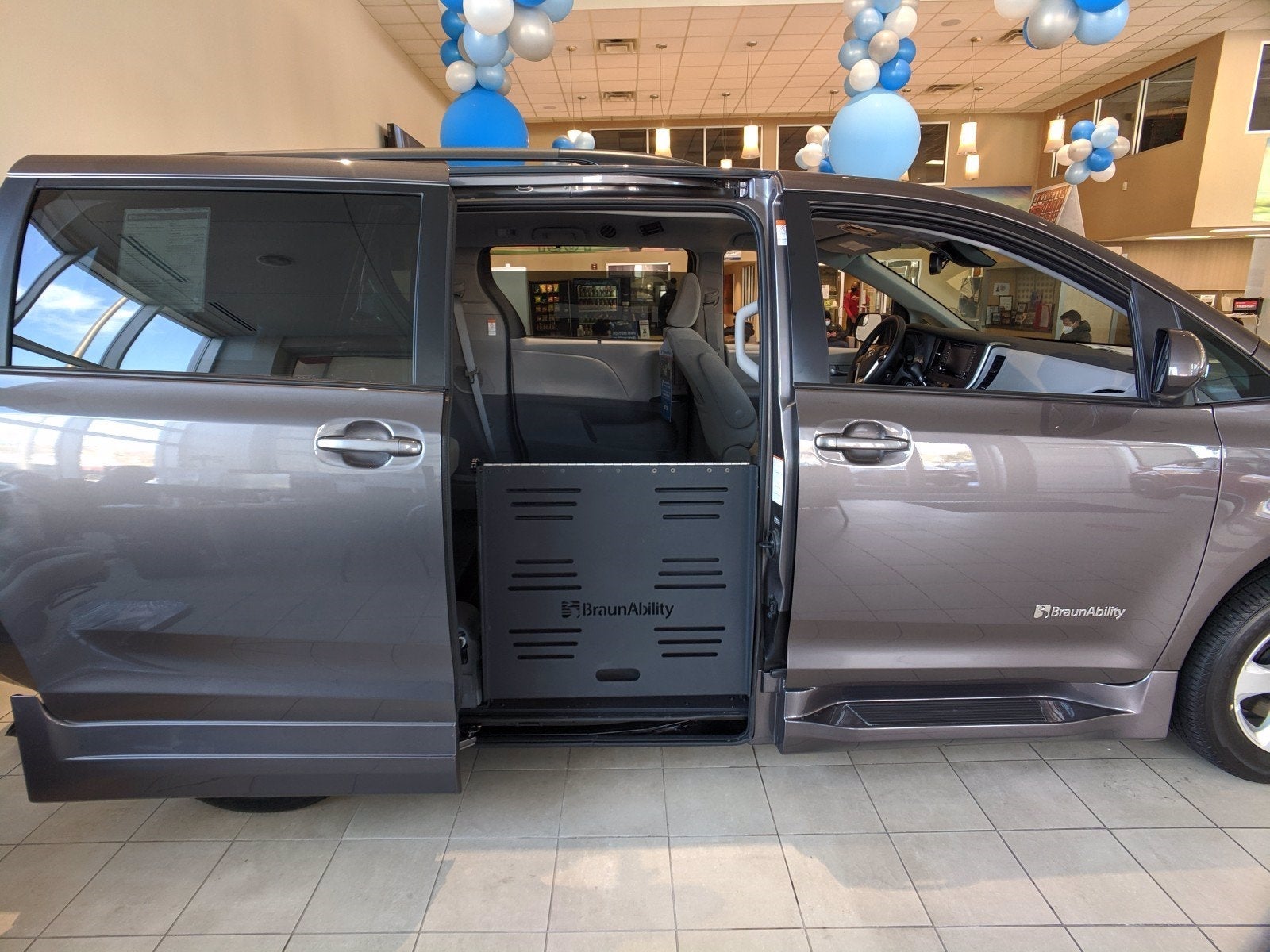
Part of being independent while living with a disability is the ability to travel freely - and that means finding a vehicle that has the accommodations you need. From vehicles that have gas and brake controls on the steering wheel to wheelchair-accessible vehicles, mobility access is on the minds of many auto manufacturers. Right now, one of the most exciting mobility vehicles is the 2020 Toyota Sienna mobility van: the LE BraunAbility Fold-Out XL.

Get to Know the 2020 Toyota Sienna Mobility Vehicle

The Toyota Sienna is one of the most popular vehicles to configure for everyday transportation. Your individual transportation needs are paramount to mobility automobile dealers, and the Toyota Sienna, in particular, is compatible with many different configurations that will enable you to create a vehicle that will meet your lifestyle needs. The 2020 Toyota Sienna is a minivan with powerful automatic FWD that lends stability on the road no matter the conditions. The engine for this vehicle is a regular unleaded V-6 3.5 L, a standard engine configuration that boasts steady performance. Overall, this minivan is a good driving choice even before customizations are made to make the vehicle accessible.

Superior Accessibility

The BraunAbility is a configuration for the Toyota Sienna that makes the vehicle wheelchair-accessible. This model has one of the tallest opening heights for wheelchair users thanks to the 14-inch lowered floor in the passenger area of the van. Wheelchair users measuring up to 56 inches sitting up will be able to comfortably enter and exit the vehicle with the powered lowered ramp system. This vehicle has removable front seats that give this van a unique amount of mobility not seen in many other vehicles. Both the front passenger and the driver's seat can be removed to accommodate drivers. The lowered floor in the vehicle gives drivers using a wheelchair a clear line of sight to the rear of the vehicle.

Why Is a Minivan Best for Wheelchair Accessibility?

Minivans are commonly viewed as the most practical vehicle selection for wheelchair users. In general, this is because the extra cabin space in the center of the vehicle makes it easier to convert the minivan for ramp installation. Powered ramps are usually the best option since they make it easier to get in and out of a vehicle without leaving a wheelchair and without the assistance of another person. Minivans are also more flexible than sedans or SUVs thanks to the ability to remove seats in the front, middle, or rear of the vehicle based on your lifestyle and driving needs. The lowered flooring and extra cabin space also lend flexibility for wheelchair users who have larger wheelchairs or electric wheelchairs, which typically seat higher than manual chairs. If you're looking for a vehicle that will help you maintain your independence while also accommodating your unique lifestyle needs as a wheelchair user, then the 2020 Toyota Sienna LE BraunAbility Fold-Out XL is an ideal option for you. This wheelchair-accessible vehicle gives you the flexibility needed to comfortably use the vehicle in all circumstances. Please contact Jerry's Mobility Vehicles and Service for more information today.

Posted in:

Recommended Posts

Chevrolet Traverse SUV, a popular platform for mobility accessible conversions

What Makes an SUV Mobility Accessible? A Guide for Baltimore, MD Drivers

Navigating daily life around Baltimore, from running errands in Towson to enjoying a weekend drive toward the Inner Harbor, requires a vehicle that fits your lifestyle without compromise. While minivans have traditionally been the go-to choice for adaptive transportation, many local drivers are turning to a mobility accessible suv for its elevated ride height, confident handling in Maryland weather, and classic styling. Understanding how a standard sport utility vehicle is transformed into a dependable adaptive vehicle can help you make an informed choice for yourself or a loved one. Structural Conversions and Entry Systems The foundation of any accessible SUV lies in its structural engineering. Because standard SUVs sit higher off the ground than minivans, specialized converters modify the vehicle frame to create a lowered floor. This added interior height ensures comfortable headroom for wheelchair users whether they are riding as a passenger or driving from the front position. Most accessible SUVs feature side-entry configurations paired with a power infloor ramp. With the press of a key fob button, the wide side door glides open and the ramp deploys smoothly, tucking away beneath the floor when not in use so the cabin remains clutter-free for other passengers. Securement and Adaptive Driving Controls Safety and stability on busy stretches like I-695 or I-83 are essential. Inside a modified SUV, heavy-duty wheelchair securement systems—ranging from manual ratcheting restraints to automated docking stations—keep the wheelchair locked securely in place during transit. Removable front seats also allow a wheelchair user to easily roll into the driver or front passenger seat. For those who plan to get behind the wheel, vehicles can be tailored with personalized adaptive equipment. Common additions include hand controls for acceleration and braking, left-foot accelerators, and steering aids. Before selecting specific driving modifications, the National Highway Traffic Safety Administration (NHTSA) recommends working with a certified driver rehabilitation specialist to evaluate your exact physical needs and practice with new equipment. Everyday Versatility for Maryland Roads Choosing an SUV means you do not have to sacrifice utility for accessibility. Many converted models retain third-row seating for family members, offer generous cargo space for medical supplies or groceries, and maintain strong towing capabilities for weekend getaways. If you are exploring what options exist locally, browsing a selection of wheelchair accessible vehicles can give you a clearer picture of available layouts, while checking out mobility products and lifts helps you compare add-ons like scooter hoists and transfer seats. Finding the right vehicle is a personal journey, and having knowledgeable neighbors in your corner makes all the difference. Whenever you are ready to ask questions or see how different floor plans feel in person, the team at Jerry's Mobility is right here in Baltimore to help you explore your options at your own pace.

Handicap accessible minivan with power side-entry ramp

Can You Lease a Handicap Van in Baltimore, MD?

Finding reliable, comfortable ways to get around Charm City—whether heading down I-95 for appointments, visiting the Inner Harbor, or running everyday errands in Towson—is essential for maintaining independence. If you are exploring options for accessible transportation, you might wonder whether leasing is a realistic alternative to buying. The short answer is yes, you can lease a modified van right here in the Baltimore area, and for many families, it offers a practical path forward. How Leasing a Mobility Van Works Leasing a converted vehicle operates much like a standard automotive lease, with a few important distinctions tailored to adaptive equipment. Because wheelchair-accessible vehicles combine a factory chassis with specialized modifications—such as lowered floors, power foldout ramps, and securement systems—leasing allows you to enjoy the latest safety technology without committing to long-term ownership. Typical lease terms run around 36 months with annual mileage allowances, commonly starting near 10,000 miles per year. For drivers and caregivers who want predictable monthly expenses and the ability to upgrade as mobility needs evolve over time, leasing removes the worry of long-term depreciation on specialized conversion hardware. Benefits of Leasing vs. Buying in Maryland Deciding between a lease and a traditional purchase comes down to your household budget, driving habits, and long-term plans. Consider how a lease might fit your lifestyle: Lower Upfront and Monthly Costs: Leasing often requires less cash out of pocket compared to traditional handicap van financing, keeping monthly payments manageable while preserving savings. Warranty Peace of Mind: Because most leases span three years, both the base vehicle and the conversion equipment generally remain under comprehensive manufacturer warranty coverage for the duration of your term. Flexibility for Changing Needs: Physical needs and caregiving arrangements can shift. Leasing gives you the option to transition into a different layout, such as moving from a rear-entry to a side-entry ramp, once your term ends. Before choosing any adaptive vehicle, the National Highway Traffic Safety Administration recommends sitting inside the cabin, checking entry and exit clearance, and confirming that the equipment fits your specific wheelchair and daily routine. What to Consider Before You Sign When evaluating mobility vans for lease, think carefully about your annual mileage across central Maryland and whether your wheelchair requires a side-entry or rear-entry configuration. You can browse current wheelchair-accessible vehicle specials and lease offers to see how monthly structures compare, or explore flexible short-term mobility van rentals if you want to test how a converted van handles your driveway and daily routes before making a multi-year commitment. At Jerry's Mobility, our team on East Joppa Road is always glad to walk you through available lease programs, answer questions about ramp styles, and help you find a comfortable fit at your own pace. Whenever you feel ready to explore your options, stop by for a relaxed conversation or reach out to our local specialists to learn more.

Wheelchair accessible Toyota Sienna with side-entry ramp

Toyota Sienna Wheelchair Accessibility: Features Baltimore Drivers Should Know

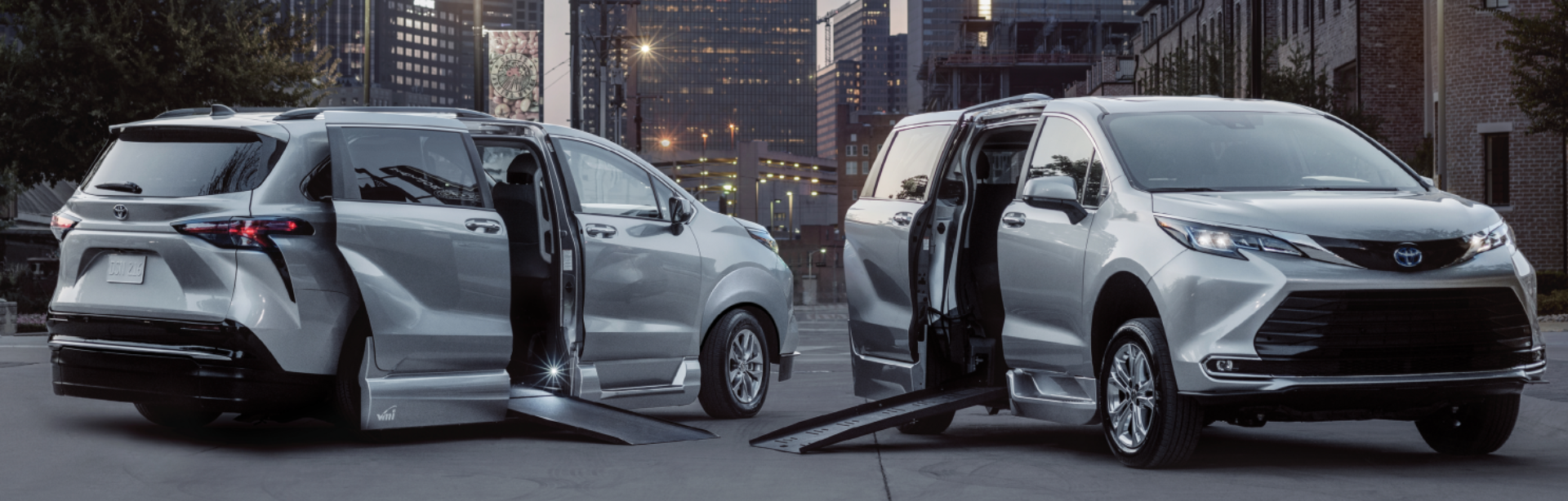
Navigating daily life around Baltimore requires a vehicle that fits your routine without adding stress. From navigating tight city blocks in Canton to taking weekend drives along I-83, having reliable transportation makes all the difference. For families and individuals looking into a wheelchair-accessible Toyota Sienna, understanding how factory engineering blends with specialized mobility conversions is a great first step toward finding the right fit. Thoughtful Cabin Design and Entry Options A modern Toyota Sienna mobility van is built around flexibility. Through official collaborations with leading conversion partners like BraunAbility, the Sienna can be adapted with lowered floors that create generous interior headroom. Depending on your daily parking habits and passenger needs, conversions offer both rear-entry and side-entry configurations. Side-entry models use either foldout or in-floor ramps that deploy smoothly from the curb-side sliding door. Inside, removable front seats allow a wheelchair user to ride comfortably in the front passenger position, secure in the center row, or even pull up to the wheel to drive. If you are weighing different cabin layouts, browsing our current wheelchair-accessible inventory can help you visualize how each setup works in practice. Driving Confidence in Maryland Weather Baltimore drivers know how quickly local weather can shift from sunny skies to coastal rain or winter slush. Every new Sienna comes standard with a hybrid powertrain that delivers smooth power and strong fuel efficiency for longer commutes. Available All-Wheel Drive adds extra traction when Maryland roads get slick, while standard Toyota Safety Sense 2.0 features help keep an extra set of eyes on busy beltway traffic. Before finalizing any adaptive setup, safety organizations encourage drivers to plan carefully. Reviewing the NHTSA guide on adapting motor vehicles is a helpful way to learn about working with a driver rehabilitation specialist and maintaining adaptive equipment over time. Adaptive Controls and Financial Support Beyond ramps and tie-downs, a handicap-accessible Toyota Sienna can be outfitted with a wide range of driving aids. Options include hand controls, left-foot accelerators, steering devices, and power swivel seats like the Turny Evo for easier transfers. Additionally, buyers can explore local rebates, incentive programs, and flexible financing options to help make the conversion process more accessible. Finding Your Next Ride in Baltimore Choosing a wheelchair-accessible minivan is a personal decision, and taking time to test different ramp styles and seating positions makes the process much clearer. Whenever you are ready to see these features up close or ask a few questions over coffee, stop by Jerry's Mobility in Baltimore to explore your options at your own pace.